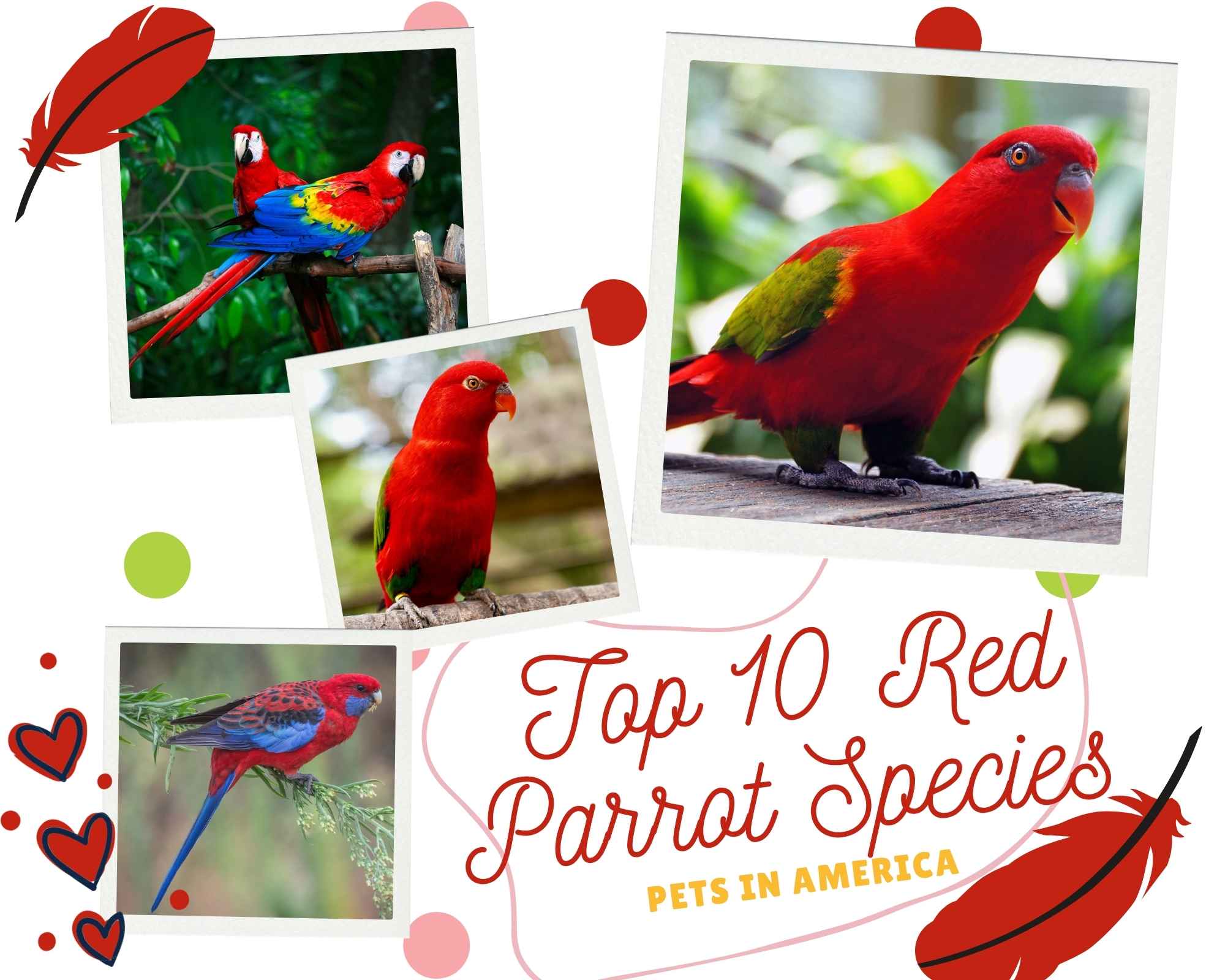
Across Latin America, few animals carry as much symbolic weight as the guacamaya the scarlet macaw. With its brilliant plumage of red, blue, and gold, this bird has been woven into the mythology, art, and spiritual life of civilizations from Mexico to Brazil for thousands of years. It represents divinity, royal power, guardianship, loyalty, and a living connection between the earthly and spiritual worlds.
This article explores the full cultural, historical, and spiritual meaning of the guacamaya across Latin America.
What Is a Guacamaya?
The guacamaya is best known in English as the macaw, one of the most visually striking birds native to Central and South America. Found from Mexico down to the Amazon rainforest, these large, intelligent parrots have long fascinated the cultures that live alongside them.
Origin of the Word “Guacamaya”
The word “guacamaya” comes from a Spanish adaptation of an original Taino word, later applied broadly across Latin America to describe macaws and similarly vivid tropical birds. The name reflects the deep indigenous roots of the word, long predating European contact with the region.
Guacamaya vs Macaw – Are They the Same?
Guacamaya and macaw refer to the same bird family, just in different languages. “Macaw” itself is believed to descend from the Brazilian Portuguese term for the bird. There are 17 recognized macaw species, several of which are now endangered due to habitat destruction and illegal trapping a fact that adds urgency to their cultural and ecological significance today.
The Guacamaya in Ancient Maya Culture
Nowhere was the guacamaya more revered than among the ancient Maya, where it held a central place in religious cosmology and royal identity.
The Principal Bird Deity (Celestial Bird)
The Maya recognized the scarlet macaw as the Principal Bird Deity, also called the Celestial Bird a divine figure believed to fly between earth and the heavens, carrying the vibrant colors of the sun in its wings.
Connection to the Sun God Itzamna / K’inich Ahau
This Celestial Bird represented the powerful sun deity Itzamna, also known as K’inich Ahau. The macaw’s association with the sun made it a symbol of divine light, power, and cosmic order within Maya belief.
Guacamaya Symbols in Copán Ruins
The ancient city of Copán, in modern-day Honduras, contains more guacamaya imagery than any other Maya site.
Glyphs and Hieroglyphic Representations
The bird appears as a glyph within the Maya hieroglyphic writing system, showing just how embedded it was in the culture’s formal record-keeping and religious texts.
Royal Headdresses and Nobility
Maya royals and nobles wore elaborate headdresses adorned with macaw feathers, using the bird’s vivid plumage to signal their status and their symbolic descent from the gods. Notably, the name of Copán’s founding dynasty translates to “Great Sun, Quetzal Macaw the First,” directly linking royal lineage to the bird itself.
The Guacamaya in Aztec Culture
The reverence for the guacamaya was not limited to the Maya the Aztecs held similar beliefs further north in Mesoamerica.
Sun Worship and Feather Symbolism
For the Aztecs, the macaw was closely tied to the sun, mirroring the beliefs of neighboring Maya civilization.
Use in Ceremonial Attire
Macaw feathers were highly prized by the Aztecs for use in elaborate ceremonial headdresses, worn during important rituals and by figures of high status.
The Guacamaya as a Spiritual Symbol Across Latin America
Beyond Mesoamerica, the guacamaya holds distinct spiritual meaning among various indigenous groups throughout Central and South America.
Guardian of the Air and Winds (Inga Tribe, Colombia)
For the Inga tribe of Putumayo, Colombia, the macaw is considered a sacred power animal representing grace and ease. It serves as guardian and protector of the air element and the winds, believed to carry prayers up to the heavens.
Messenger of Gods and Ancestors (Bororo Tribe, Brazil)
The Bororo tribe of Brazil views the macaw as a direct messenger between the gods, ancestors, and the living a spiritual intermediary role that reinforced the bird’s sacred status.
Symbol of Universal Creation (Maleku People, Costa Rica)
Among the Maleku people of the Guatuso area in Costa Rica, the macaw is sacred because it symbolizes nothing less than the creation of the universe itself.
Symbolism of Love, Loyalty & Communication
Beyond religion and royalty, the guacamaya also represents deeply human values tied to relationships and connection.
Lifelong Pair Bonding
Macaws form pair bonds and mate for life, often living up to 80 years while sharing food and grooming each other. This behavior made the bird a natural symbol of sacred union, loyalty, and lasting relationships across many cultures.
Mimicry and Spiritual Communication
The guacamaya’s remarkable ability to mimic human speech gave rise to beliefs that these birds served as sacred communicators, bridging the human and spirit worlds.
Bridge Between Human and Spirit Worlds
This idea of the macaw as a communicator reinforced its broader role as messenger a being capable of carrying words, prayers, and meaning between different planes of existence.
National and Modern Cultural Significance
The guacamaya’s symbolic power has carried forward from ancient civilizations into modern national and cultural identity.
Honduras’ National Bird
The scarlet macaw known locally as guacamaya roja or guara roja is the national bird of Honduras, a direct legacy of its sacred status among the ancient Maya who once inhabited the region, particularly at Copán.
Guacamaya in Modern Art, Fashion & Design
Today, the guacamaya’s vivid colors and rich symbolism continue to inspire modern Latin American art, textiles, and design, keeping its cultural legacy visible in everyday life.
Conservation Efforts and Cultural Identity Today
Because several macaw species are now endangered, conservation projects across Latin America have become tied to cultural identity and pride, with communities working to protect a bird that has represented their heritage for centuries.
Spiritual Meaning of the Guacamaya (Significado Espiritual)
In contemporary spiritual and folk traditions, the guacamaya continues to be seen as a symbol of adaptation and spiritual connection.
Adaptation and Transformation
The guacamaya is often associated with adaptability, reflecting its resilience and vivid presence across diverse Latin American ecosystems and cultures.
Connection to Nature and the Divine
Its enduring spiritual meaning centers on a connection between nature and the divine a reminder of the bird’s long-standing role as a bridge between the earthly and the sacred.
Conclusion – Why the Guacamaya Still Matters in Latin Culture
Summary of Key Symbolic Meanings
From the Maya’s Celestial Bird and sun god connections, to the Aztecs’ royal feathered headdresses, to its role as guardian, messenger, and symbol of loyalty across South America, the guacamaya represents one of Latin America’s most layered and enduring cultural symbols.
Its Legacy in Contemporary Latin Identity
Today, as Honduras’ national bird and a continuing icon in art, spirituality, and conservation, the guacamaya remains a living thread connecting ancient Mesoamerican cosmology to modern Latin American identity.