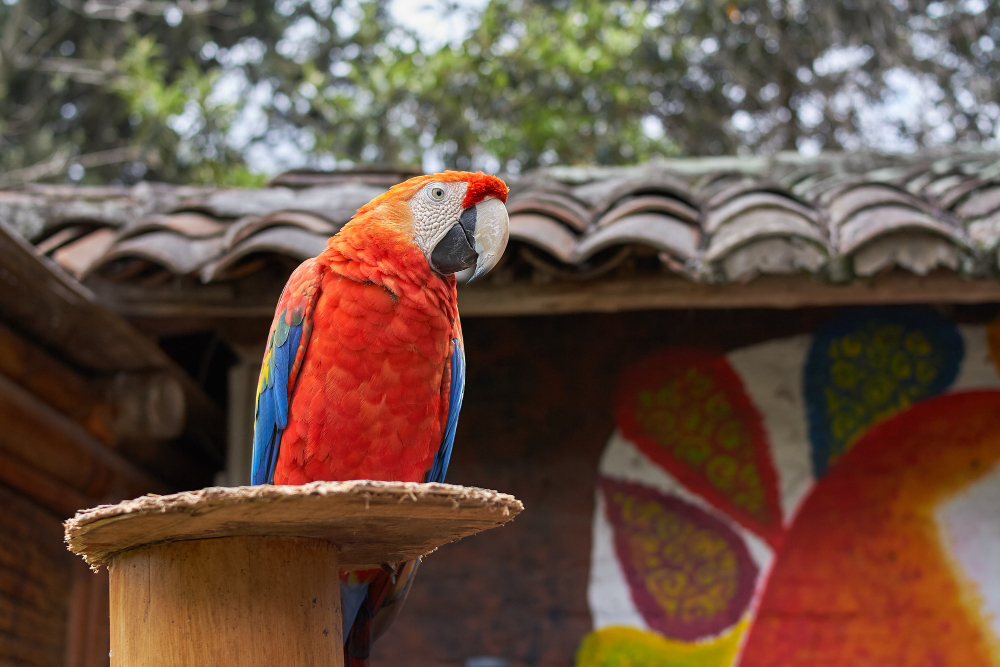
There is something truly magical about a red parrot. That brilliant burst of scarlet feathers, those sharp intelligent eyes, and that playful personality it is no wonder millions of Americans dream of sharing their home with one.
But here is the thing most first-time buyers do not realize: not every red parrot is legal to own in the United States. Some species are protected under federal law. Others are banned in specific states. And a handful require special permits that most pet owners never even knew existed.
So before you fall in love with a bird online or at a local bird fair, it pays to know exactly which red parrot species are safe, legal, and truly available to you as a US-based pet owner.
That is exactly what this guide covers. Below, you will find the top 10 red parrot species that are legally ownable across most of the United States complete with personality profiles, care requirements, average costs, noise levels, and expert tips to help you choose the right bird for your lifestyle.
Whether you are a first-time bird owner or an experienced aviculturist looking to add a splash of red to your flock, this article has everything you need to make a confident, informed decision.
What Makes a Red Parrot Legal to Own in the US?
Before diving into the species list, it is worth taking a quick look at the legal landscape. The United States has several layers of bird ownership laws that every prospective parrot owner should understand.
Federal Protections
The US Fish and Wildlife Service (USFWS) enforces the Wild Bird Conservation Act (WBCA), which restricts or bans the importation of many wild-caught parrot species. However, captive-bred birds from licensed US breeders are generally legal to own.
CITES Regulations
The Convention on International Trade in Endangered Species (CITES) classifies parrots under Appendix I or Appendix II depending on their conservation status. Appendix I species have stricter trade restrictions. Always ask your breeder for documentation confirming the bird is captive-bred and legally sourced.
State-Level Laws
Some states have additional restrictions. California, for example, has very specific rules about certain conure and macaw species. Hawaii prohibits most parrots entirely due to biosecurity concerns. Always verify your state’s exotic pet laws before purchasing.
Pro Tip: Visit the USFWS website or your state’s Department of Fish and Wildlife page to check the most current regulations in your area before buying any parrot.
How We Selected These 10 Species
Every red parrot on this list was chosen based on a consistent set of criteria to make sure you get genuinely useful, practical information:
- Legal availability across most US states
- Temperament and suitability as a companion bird
- Talking and communication ability
- Noise level (critical for apartment dwellers)
- Beginner-friendliness vs. experience required
- Average purchase price from US-based breeders
- Long-term care requirements and lifespan
Each species below gets a full profile so you can compare them side by side and find your perfect match.
1 Scarlet Macaw (Ara macao)
| Size | Large 32 to 36 inches |
| Lifespan | 40 to 50 years |
| Talking Ability | Moderate |
| Noise Level | High 🔊🔊🔊🔊 |
| Beginner Friendly? | No experienced owners recommended |
| Average US Price | $2,000 – $4,000 |
The Scarlet Macaw is arguably the most iconic red parrot in the world. With its sweeping scarlet body, golden-yellow wing patches, and electric blue tail feathers, this bird is nothing short of breathtaking. It is also one of the most intelligent parrots you can own and one of the most demanding.
Scarlet Macaws bond deeply with their primary caregiver. They thrive on attention, mental stimulation, and regular interaction. Leave one alone for too long and you will know about it loudly. These birds need at least three to four hours of out-of-cage time every single day.
They are not the best choice for first-time bird owners or small living spaces. But for an experienced owner with plenty of time and space, a Scarlet Macaw can be a truly extraordinary lifelong companion.
Pro Tip: Scarlet Macaws often bond most strongly with one person. If you have a busy household with multiple family members, consider a more social species like the Eclectus instead.
2 Sun Conure (Aratinga solstitialis)
| Size | Small to Medium 12 inches |
| Lifespan | 25 to 30 years |
| Talking Ability | Low to Moderate |
| Noise Level | Very High 🔊🔊🔊🔊🔊 |
| Beginner Friendly? | Moderate some experience helpful |
| Average US Price | $400 – $700 |
Sun Conures are bursting with personality. They are playful, affectionate, comical, and absolutely stunning their feathers blend fiery red, orange, and golden yellow in a pattern that looks almost painted. It is easy to see why they are one of the most popular pet parrots in the United States.
The trade-off? Volume. Sun Conures are extraordinarily loud for their size. They use a piercing contact call that can be heard clearly from several rooms away. If you live in an apartment with thin walls or noise-sensitive neighbors, this may not be the bird for you.
On the plus side, Sun Conures are relatively affordable, widely available from US breeders, and genuinely love human interaction. They are cuddly, curious birds that will ride on your shoulder all day if you let them.
Pro Tip: Sun Conures are master escape artists. Always use a double-latch cage lock a standard single latch will not hold them for long.
3 Eclectus Parrot (Eclectus roratus) Female
| Size | Medium to Large 17 to 20 inches |
| Lifespan | 30 to 40 years |
| Talking Ability | Very High |
| Noise Level | Moderate 🔊🔊🔊 |
| Beginner Friendly? | Moderate |
| Average US Price | $1,000 – $3,000 |
Here is something that surprises most people: the male Eclectus is vivid green, but the female is a stunning deep red and blue. The two sexes look so different that scientists originally thought they were entirely separate species. The female Eclectus Parrot is one of the most richly colored red parrots you can legally own in the US.
Beyond their looks, Eclectus parrots are known for their exceptional talking ability. Many can learn dozens of words and phrases, and some develop surprisingly clear, human-sounding speech. They are calmer and gentler than most macaws or conures, which makes them a better fit for families.
Their diet is a critical consideration. Eclectus parrots have a uniquely long digestive tract and thrive on a diet rich in fresh fruits, vegetables, and leafy greens. A seed-heavy diet can seriously harm their health over time.
Pro Tip: Never feed your Eclectus a pellet-only or seed-only diet. Their digestive system is built for fresh, whole foods. Think of it as a bird that eats more like a human than a typical parrot.
4 Red-Fronted Macaw (Ara rubrogenys)
| Size | Medium 22 to 24 inches |
| Lifespan | 25 to 35 years |
| Talking Ability | Moderate |
| Noise Level | High 🔊🔊🔊🔊 |
| Beginner Friendly? | No experienced owners only |
| Average US Price | $1,500 – $2,500 |
The Red-Fronted Macaw is a hidden gem in the red parrot world. Far less common than the Scarlet Macaw, this medium-sized bird features a vivid splash of red across its forehead and shoulders, set against a predominantly green body. It is a striking bird that tends to turn heads at any bird show.
Personality-wise, Red-Fronted Macaws are energetic, comical, and surprisingly affectionate. They enjoy playing, foraging, and interacting with their owners. They do best with active owners who can commit to daily enrichment and interaction.
Conservation status is worth noting here. The Red-Fronted Macaw is listed as endangered in the wild, which means buyers should be especially careful to purchase only from certified captive-bred sources with full documentation.
Pro Tip: Red-Fronted Macaws need significant daily exercise. Plan for at least three to four hours of out-of-cage time each day to keep them physically and mentally healthy.
5 Caique (Pionites melanocephalus / leucogaster)
| Size | Small 9 to 10 inches |
| Lifespan | 25 to 40 years |
| Talking Ability | Low |
| Noise Level | Moderate 🔊🔊🔊 |
| Beginner Friendly? | Yes |
| Average US Price | $1,000 – $2,000 |
Caiques are often called the clowns of the parrot world and for very good reason. These compact little birds are endlessly entertaining, bouncing around their cages with an infectious enthusiasm that makes it impossible not to smile. Their plumage features vivid patches of red, orange, yellow, and white.
Unlike larger parrots, Caiques are manageable for apartment living. They are active but not ear-splittingly loud. They enjoy climbing, playing with toys, and showing off for their owners. Caiques are also known for an unusual quirk: they love to surf. Place a small towel on the floor and watch them roll around on it for entertainment.
One important caveat Caiques can be nippy if bored or under-stimulated. Keep them busy with a rotating selection of foraging toys and activities to bring out their best behavior.
Pro Tip: Caiques should not be kept with other bird species. They can be surprisingly aggressive toward other parrots despite their small size.
6 Red Lory (Eos bornea)
| Size | Small to Medium 12 inches |
| Lifespan | 20 to 30 years |
| Talking Ability | Moderate |
| Noise Level | Moderate to High 🔊🔊🔊 |
| Beginner Friendly? | No |
| Average US Price | $600 – $1,200 |
If you want a parrot that is almost entirely red, the Red Lory is hard to beat. This small but fiery bird is covered in brilliant crimson feathers from beak to tail, with just small patches of blue and black as accents. It is one of the most visually striking birds you can own.
Red Lories are high-energy, highly interactive, and genuinely entertaining. They love to play, explore, and show off. However, they come with a significant care consideration: their diet is based on nectar and soft fruits rather than seeds. This produces very liquid droppings, which means their cage and surrounding area require frequent cleaning.
This is not the right bird for a hands-off owner. Red Lories thrive on daily interaction and can become destructive or stressed if left under-stimulated.
Pro Tip: Invest in easy-clean cage liners and consider a stainless steel cage for your Red Lory. Their liquid diet creates a level of cage mess that standard setups are not designed to handle easily.
7 Cherry-Headed Conure (Psittacara erythrogenys)
| Size | Medium 13 inches |
| Lifespan | 25 to 30 years |
| Talking Ability | Moderate to High |
| Noise Level | High 🔊🔊🔊🔊 |
| Beginner Friendly? | Moderate |
| Average US Price | $300 – $600 |
The Cherry-Headed Conure earned a dedicated following in the US partly thanks to the beloved documentary The Wild Parrots of Telegraph Hill, which followed a flock of these birds living wild in San Francisco. Their bright red heads, vivid green bodies, and social nature made them instant fan favorites.
As pets, Cherry-Headed Conures are friendly, talkative, and curious. They tend to be more social and adaptable than many other conure species, which makes them a solid choice for moderately experienced owners or adventurous first-timers.
They are also one of the most affordable red-headed parrot options in the US market, which adds to their appeal. The downside, as with most conures, is noise. They can be quite vocal, particularly in the mornings and evenings.
Pro Tip: Cherry-Headed Conures are intensely social birds. If you work long hours and cannot spend much time at home, consider getting a bonded pair rather than a single bird.
8 Dusky Lory (Pseudeos fuscata)
| Size | Small to Medium 10 inches |
| Lifespan | 20 to 28 years |
| Talking Ability | Low to Moderate |
| Noise Level | Moderate 🔊🔊🔊 |
| Beginner Friendly? | No |
| Average US Price | $700 – $1,500 |
The Dusky Lory is an underrated gem that is gaining popularity among experienced US bird owners. Its plumage shifts between rich burnt orange, red, and deep brown depending on the light a truly dramatic bird that photographs beautifully.
Personality-wise, Dusky Lories are curious and affectionate but known for their mood variability. They can be cuddly and playful one moment, then nippy and irritable the next. This unpredictability makes them better suited for experienced owners who understand avian body language.
Like all Lories, they require a nectar-based diet and more specialized care than seed-eating parrots. Finding a reputable US breeder may take some searching, as they are less common than macaws or conures.
Pro Tip: Dusky Lories are creatures of habit. They do best on a consistent daily routine sudden schedule changes, rearranged furniture, or new household disruptions can trigger visible stress responses.
9 Mitred Conure (Psittacara mitratus)
| Size | Medium 15 inches |
| Lifespan | 25 to 30 years |
| Talking Ability | Moderate |
| Noise Level | High 🔊🔊🔊🔊 |
| Beginner Friendly? | Moderate |
| Average US Price | $400 – $800 |
The Mitred Conure is recognizable by its predominantly green body accented with scattered bright red patches around the face, throat, and sometimes the bend of the wings. Each bird has a unique red pattern, making every individual look slightly different.
These birds are bold, inquisitive, and adventurous. They love to explore new environments, investigate novel objects, and interact with people. Their active nature makes them excellent companions for owners who enjoy engaging with their birds throughout the day.
Wild Mitred Conure flocks have been documented living in several US cities, including Los Angeles, where they have established naturalized populations. This does not affect their legal status as captive-bred pets, but it does make for a fun conversation starter.
Pro Tip: Mitred Conures love foraging. Replace a portion of their regular feeding with puzzle feeders and food hidden inside toys to keep their minds sharp and reduce boredom-related behaviors.
10 Crimson Rosella (Platycercus elegans)
| Size | Medium 14 inches |
| Lifespan | 20 to 25 years |
| Talking Ability | Low |
| Noise Level | Low to Moderate 🔊🔊 |
| Beginner Friendly? | Yes |
| Average US Price | $200 – $500 |
The Crimson Rosella rounds out the list as one of the quietest, most visually beautiful red parrots available to US owners. Originally from Australia, this bird features a deep crimson body with vibrant blue cheeks, wings, and tail a color combination that looks almost unreal in person.
Unlike the high-energy macaws and conures higher on this list, Crimson Rosellas are calm, gentle, and relatively independent. They enjoy observing their surroundings more than demanding constant hands-on attention. This makes them an excellent fit for owners who love the look of a red parrot but prefer a less demanding daily commitment.
They are also the most affordable option on this list, which makes them an attractive entry point for new bird owners. Their low noise level is a significant bonus for apartment dwellers or anyone in a noise-sensitive living situation.
Pro Tip: Crimson Rosellas are much happier when kept in pairs or in a spacious aviary rather than alone in a small cage. They can become withdrawn and quiet when housed in isolation long-term.
Side-by-Side Comparison: All 10 Red Parrot Species
| Species | Size | Lifespan | Talking | Noise | Beginner? | Avg. US Price |
|---|---|---|---|---|---|---|
| Scarlet Macaw | Large | 40–50 yrs | Moderate | 🔊🔊🔊🔊 | ❌ | $2,000–$4,000 |
| Sun Conure | Sm-Med | 25–30 yrs | Low-Mod | 🔊🔊🔊🔊🔊 | ⚠️ | $400–$700 |
| Eclectus (F) | Med-Lg | 30–40 yrs | Very High | 🔊🔊🔊 | ⚠️ | $1,000–$3,000 |
| Red-Fr. Macaw | Medium | 25–35 yrs | Moderate | 🔊🔊🔊🔊 | ❌ | $1,500–$2,500 |
| Caique | Small | 25–40 yrs | Low | 🔊🔊🔊 | ✅ | $1,000–$2,000 |
| Red Lory | Sm-Med | 20–30 yrs | Moderate | 🔊🔊🔊 | ❌ | $600–$1,200 |
| Cherry-Headed | Medium | 25–30 yrs | Mod-High | 🔊🔊🔊🔊 | ⚠️ | $300–$600 |
| Dusky Lory | Sm-Med | 20–28 yrs | Low-Mod | 🔊🔊🔊 | ❌ | $700–$1,500 |
| Mitred Conure | Medium | 25–30 yrs | Moderate | 🔊🔊🔊🔊 | ⚠️ | $400–$800 |
| Crimson Rosella | Medium | 20–25 yrs | Low | 🔊🔊 | ✅ | $200–$500 |
How to Choose the Right Red Parrot for Your Lifestyle
With ten solid options on the table, how do you decide? The answer comes down to an honest look at your own life. Ask yourself these key questions before committing:
1. Where Do You Live?
House with a yard? Most red parrots will thrive. Apartment with shared walls? Stick to quieter options like the Crimson Rosella or Eclectus. A Sun Conure in a thin-walled apartment is a fast route to unhappy neighbors.
2. How Much Time Are You Home?
Parrots are not fish. They need daily interaction and mental stimulation. If you work long hours five days a week, consider a species that handles alone time better or plan to adopt a bonded pair so they can keep each other company.
3. Do You Have Children or Other Pets?
Some red parrots like the Eclectus and Crimson Rosella are calm enough to coexist peacefully with children. Others, like Caiques, can be territorial and nippy. Always supervise interactions between parrots and young children regardless of species.
4. What Is Your Budget?
Factor in more than just the purchase price. A parrot is a 20-to-50-year commitment. Annual food, vet visits, toys, and cage upgrades can add up quickly. Budget at least $800 to $1,500 per year on top of the initial purchase price for most species.
5. Are You a First-Time Bird Owner?
If this is your first parrot, the Crimson Rosella, Caique, or Cherry-Headed Conure are excellent starting points. Save the Scarlet Macaw and Red Lory for when you have more avian experience under your belt.
Where to Find a Legal Red Parrot in the United States
Knowing which species you want is only half the battle. Finding a legal, ethical source is equally important. Here is how to do it right:
Reputable Breeders
Look for breeders who are registered with the American Federation of Aviculture (AFA) or who hold a USDA license. Reputable breeders will always provide documentation proving the bird is captive-bred and health-checked.
- Ask to see the parent birds if possible
- Request a written health guarantee
- Visit in person before purchasing never buy from photos alone
- Avoid breeders who cannot or will not provide paperwork
Parrot Rescue Organizations
Hundreds of red parrots end up in rescue organizations every year when owners realize they were not prepared for the commitment. Adopting a rescue bird is an incredibly rewarding option and often significantly cheaper than buying from a breeder.
External Reference:
Red Flags to Avoid
- Sellers who cannot provide health documentation
- Birds priced dramatically below market value
- Breeders who will not allow you to visit their facility
- Listings that describe birds as ‘wild-caught’ this is illegal for most species
- Birds kept in dirty, overcrowded, or poorly maintained conditions
Essential Care Tips for Red Parrot Owners
Regardless of which species you choose, these universal care principles will set you and your bird up for success:
Diet and Nutrition
- Offer a varied diet of fresh fruits, vegetables, and quality pellets
- Limit seed intake seeds are high in fat and low in nutrients
- Always provide fresh, clean water daily
- Never feed avocado, chocolate, onion, or caffeine all are toxic to parrots
Mental Stimulation
A bored parrot is a destructive parrot. Rotate toys regularly, introduce foraging activities, and spend quality interactive time with your bird every single day.
Veterinary Care
Find an avian vet before you bring your bird home not after it gets sick. Birds naturally hide illness, so by the time symptoms are obvious, the condition is often advanced. Annual wellness checks are strongly recommended.
External Reference:
Socialization and Bonding
Spend time with your parrot daily talking, handling, and playing. Trust-building is a gradual process, especially with rescue birds. Consistency and patience are your most powerful tools.
You Might Also Find These Articles Helpful
- You can also read about: How Much Does a Red Parrot Really Cost? A Full Breakdown for US Buyers
- You can also read about: Red Parrot Diet 101 What to Feed and What to Avoid for a Healthy Bird
- You can also read about: How to Bond With Your Red Parrot 7 Proven Tips From Expert Bird Trainers
Frequently Asked Questions About Red Parrots
Q1: What is the most popular red parrot kept as a pet in the United States?
The Sun Conure and Scarlet Macaw consistently rank among the most popular red parrots in the US. Sun Conures are favored for their affordability and personality, while Scarlet Macaws attract experienced owners looking for a bold, intelligent long-term companion.
Q2: Are red parrots good for beginners?
Some are, and some definitely are not. The Crimson Rosella and Caique are considered the most beginner-friendly options on this list. Species like the Scarlet Macaw, Red Lory, and Red-Fronted Macaw are better suited for owners who already have hands-on bird experience.
Q3: How long do red parrots live as pets?
Lifespan varies significantly by species. Smaller conures and rosellas typically live 20 to 30 years. Medium species like the Eclectus often reach 30 to 40 years. Larger macaws can live 40 to 50 years or more in captivity. Owning a red parrot is genuinely a lifelong commitment.
Q4: What is the cheapest red parrot I can buy in America?
The Crimson Rosella is typically the most affordable red parrot on this list, with prices starting around $200 from reputable breeders. Cherry-Headed Conures follow closely at $300 to $600. Keep in mind that the purchase price is just the beginning ongoing care costs are a significant ongoing expense.
Q5: Is it legal to own a Scarlet Macaw in all US states?
In most US states, yes provided the bird is captive-bred and purchased from a licensed breeder. However, some states have additional restrictions. Always verify your specific state’s exotic pet laws with your state’s Department of Fish and Wildlife before making any purchase.
Q6: How do I know if a red parrot breeder is reputable?
A trustworthy breeder will willingly show you their facility, provide full health and legal documentation, offer a health guarantee, and be happy to answer your questions. They will also ask you questions a good breeder genuinely cares about where their birds end up. Avoid anyone who rushes a sale or cannot produce paperwork.
Final Thoughts
Owning a red parrot is one of the most rewarding experiences in the pet world but it is also one of the most significant commitments you can make. These are intelligent, sensitive, long-lived animals that deserve thoughtful, well-prepared owners.
The good news? With the right information and the right species match, the experience can be absolutely extraordinary. Whether you choose the dramatic Scarlet Macaw, the budget-friendly Crimson Rosella, or the charming Sun Conure, each of these ten red parrot species offers something genuinely special.
Take your time. Do your research. Visit breeders in person. And when you finally bring that brilliant flash of red feathers home for the first time, you will understand exactly why so many Americans have fallen in love with these remarkable birds.
Have a question about a specific species not covered here? Drop a comment below we love helping future red parrot owners find their perfect match. 🦜