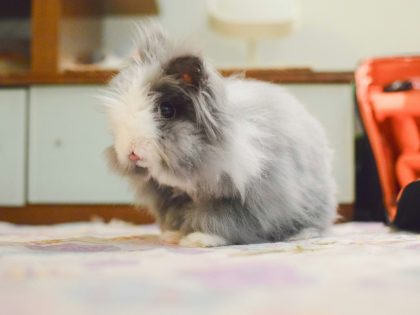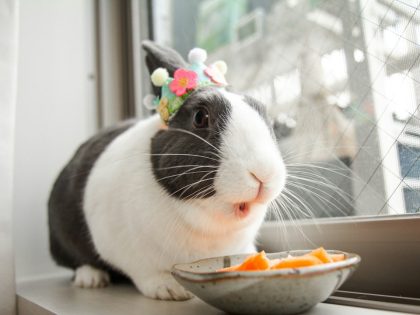
The best rabbit breed for a pet is the one whose size, coat care, activity level, and individual temperament fit your household. For many first-time owners, a healthy adult, short-coated, medium-size rabbit from a rescue is easier to assess than a baby or a high-maintenance wool breed. Holland Lops, Mini Rexes, Dutch rabbits, and mixed-breed rabbits can all be wonderful companions, but no breed is automatically cuddly, child-safe, or low-maintenance.
Use this guide to compare 15 popular rabbit breeds, then meet individual rabbits before deciding. A shelter or rabbit rescue can often tell you who enjoys petting, who prefers more space, and whether a rabbit should be adopted with a bonded partner. If you are still sorting out the terminology, our rabbit vs. bunny guide explains why the words refer to the same animal.
What matters more than breed?
Breed can help you estimate adult size and grooming needs. It is much less reliable as a promise of personality. Rabbits are individuals, and their behavior is shaped by age, health, socialization, environment, and whether they have been spayed or neutered. An adult rescue rabbit has a more established personality, which can make matching easier.
Before focusing on appearance, decide whether you can provide a roomy indoor living area, daily exercise and enrichment, unlimited grass hay, routine grooming, and care from a rabbit-experienced veterinarian. Rabbits are prey animals; most prefer being petted with all four feet on the floor rather than being carried. Learning their body language—including why rabbits thump—will make life together safer and less stressful.
15 popular pet rabbit breeds at a glance
The weights below use the American Rabbit Breeders Association’s maximum show weights as a practical size reference. They are not feeding targets, and healthy pet rabbits may fall outside them. Coat care also increases during heavy shedding.
| Breed | ARBA maximum weight | Coat care | Best reason to consider |
|---|---|---|---|
| Mini Rex | 4.5 lb | Short, plush coat; light grooming | Compact size without a wool coat |
| Holland Lop | 4 lb | Short coat; ears need monitoring | Small lop-eared companion |
| Mini Lop | 6.5 lb | Short coat; ears need monitoring | Sturdier, medium-small lop |
| Mini Satin | 4.75 lb | Short, glossy coat | Compact rabbit with simple coat care |
| Dutch | 5.5 lb | Short coat | Manageable medium-small size |
| Dwarf Hotot | 3 lb | Short coat | Very small rabbit for experienced gentle handlers |
| Netherland Dwarf | 2.5 lb | Short coat | Tiny size, with delicate handling needs |
| Polish | 3.5 lb | Short coat | Small size and uncomplicated coat |
| Lionhead | 3.75 lb | Mane needs frequent combing | Distinctive look for owners who enjoy grooming |
| Jersey Wooly | 3.5 lb | Wool coat needs consistent grooming | Small wool breed |
| Californian | 10.5 lb | Short, dense coat | Larger body that may be easier to interact with on the floor |
| Harlequin | 9.5 lb | Short coat | Medium-large rabbit with striking markings |
| Havana | 6.5 lb | Short coat | Compact, medium-size build |
| Standard Chinchilla | 7.5 lb | Short, dense coat | Medium size and distinctive silver coloring |
| Himalayan | 4.5 lb | Short coat | Slender, medium-small build |
Best rabbit breeds for pets: detailed comparison
1. Mini Rex

Mini Rex rabbits are known for a plush coat with a velvety texture. Their compact size and short coat can suit first-time owners who want less grooming than a Lionhead or wool breed requires. Use a gentle grooming method because the distinctive coat can be damaged by rough or excessive brushing.
Do not assume a Mini Rex will enjoy being held. Like most rabbits, many prefer floor-level interaction. Meet the individual, ask how the rabbit responds to petting and household activity, and choose on temperament rather than coat texture alone.
2. Holland Lop

The Holland Lop is one of the smallest lop-eared breeds recognized by ARBA. It is popular with people who want a compact rabbit, but small size does not mean a small enclosure or less exercise. Every rabbit needs room to stand, stretch, run, and explore.
Lopped ears reduce airflow compared with upright ears, so ask a rabbit-savvy veterinarian to show you how to check for wax, odor, discharge, or discomfort. Never put drops or cleaning tools into a rabbit’s ears unless your veterinarian recommends them.
3. Mini Lop

Mini Lops are larger and more solidly built than Holland Lops despite the similar names. That extra size may make floor-level petting easier for some families, but it does not make a rabbit safe for a child to carry. Adults should remain responsible for care and necessary handling.
The short coat is relatively straightforward to maintain, though seasonal shedding still requires regular grooming. As with every lop, include the ears in routine veterinary exams and watch for head shaking, scratching, odor, or discharge.
4. Mini Satin

Mini Satins have a compact body and glossy coat. Their short fur generally needs less hands-on maintenance than wool, but “low grooming” never means no grooming: check the skin, feet, nails, and coat regularly and remove loose fur during shedding.
Because the breed is less common than a Holland Lop or Mini Rex, local availability may be limited. A compatible mixed-breed rescue rabbit with similar size and coat needs can be an equally good—and often easier to evaluate—choice.
5. Dutch

The correct breed name is Dutch rabbit, not “Dutch Lop.” Dutch rabbits have upright ears and distinctive white-and-colored markings. Their medium-small size and short coat make them a practical breed to consider, provided the individual rabbit’s personality suits your home.
Markings do not predict temperament. Ask a rescue about confidence, tolerance for household noise, litter habits, and whether the rabbit is already bonded. A calm adult Dutch rabbit may be a better first pet than an energetic baby of any breed.
6. Dwarf Hotot

Dwarf Hotots are small, white rabbits recognized by the dark band around each eye. Their short coat is manageable, but their tiny body calls for careful handling and secure barriers with no gaps they can squeeze through.
A small rabbit is not automatically best for a small child. Delicate rabbits can be injured if dropped or restrained incorrectly, and they may defend themselves when frightened. This breed is better considered by patient owners who are happy to interact at ground level.
7. Netherland Dwarf

Netherland Dwarfs are among the smallest recognized rabbit breeds. They need the same daily exercise, enrichment, and veterinary planning as larger rabbits, while their size makes safe handling especially important.
Choose an individual who approaches willingly and recovers calmly from normal household sounds. A shy rabbit is not a bad pet, but building trust may take more time. Our rabbit bonding guide explains how to use quiet, reward-based interaction.
8. Polish

Polish rabbits are a small, compact breed with upright ears and a short coat. They are not from Poland, and they are distinct from the Britannia Petite, which is called Polish in the United Kingdom.
The coat is simpler to maintain than a Lionhead or Jersey Wooly’s, but the rabbit still needs nail trims, health checks, exercise, and mental stimulation. Look for an adult whose handling preferences match yours instead of choosing only by size or color.
9. Lionhead

Lionheads have a mane of longer fur around the head, and some have additional long fur along the body. That coat is the main lifestyle consideration: it needs frequent gentle combing to prevent mats and reduce the amount of loose fur swallowed during self-grooming.
A Lionhead can be a rewarding companion for someone who will keep up with coat care and teach the rabbit to accept short grooming sessions gradually. It is a poor match if regular combing is likely to be skipped.
10. Jersey Wooly

Jersey Woolies combine a small body with a wool coat. They were developed with easier coat care in mind than some Angora breeds, but they still require more grooming than short-coated rabbits. Mats can pull on the skin and hide irritation.
No rabbit breed “never bites or kicks.” A frightened, painful, or restrained rabbit may struggle or nip. Owners should learn consent-based handling, support the hindquarters when lifting is necessary, and ask a veterinarian about any sudden behavior change.
11. Californian

Californians are substantially larger than dwarf and mini breeds. Their size requires more floor space, a bigger litter box, and a carrier rated for the rabbit’s weight. In return, a larger adult may be easier for a family to pet without trying to pick up.
The short, dense coat is relatively uncomplicated, though larger rabbits still shed heavily at times. Evaluate feet, mobility, body condition, and housing surfaces with a rabbit-savvy veterinarian; soft, dry, nonslip flooring matters for every breed.
12. Harlequin

Harlequins are medium-large rabbits bred for alternating bands or sections of color. The pattern is visually striking, but it does not predict sociability or energy. Meet the rabbit more than once if possible and ask what behavior staff see outside the kennel.
The short coat is manageable for many homes. Plan the enclosure and exercise area around the rabbit’s adult size, not the size of a young rabbit at adoption.
13. Havana

Havanas are compact rabbits with a glossy short coat. ARBA recognizes multiple colors, so the name does not refer only to chocolate-brown rabbits. Their moderate size can work in many homes when they have a sufficiently large pen and daily exercise area.
Do not treat “calm” as a breed guarantee. Ask whether the individual seeks attention, startles easily, guards space, or enjoys living with another rabbit. Those observations are more useful than a generalized temperament label.
14. Standard Chinchilla

Standard Chinchillas are named for the color of their coat; they are domestic rabbits, not rabbit-chinchilla hybrids. Their medium size and short, dense fur may appeal to owners who want a rabbit larger than a dwarf but smaller than a Californian.
This breed is not automatically “best for children.” A suitable family rabbit is a confident individual who is comfortable with gentle, supervised floor interaction. An adult must own the daily responsibility for feeding, cleaning, exercise, grooming, and veterinary care.
15. Himalayan

Himalayans have a long, cylindrical body, upright ears, and darker “points” on the nose, ears, feet, and tail. Their short coat is easier to maintain than wool, and their lighter build still calls for secure, gentle handling.
They do not need a special cold-weather routine based on breed alone. All pet rabbits need protection from temperature extremes, drafts, predators, and sudden environmental changes. Indoor housing makes monitoring appetite, stool, activity, and behavior easier.
How to choose the right rabbit for your household
1. Choose personality before color
Spend time seated on the floor and let the rabbit approach. Notice whether the rabbit is curious, cautious, active, or comfortable with petting. Ask shelter staff about behavior in a foster home, litter habits, grooming tolerance, and preferred type of interaction. An adult or bonded pair with a known history often removes much of the guesswork.
2. Match coat care to your schedule
Short coats still shed, but Lionheads and wool breeds demand more consistent grooming. If mats, combing, and coat checks are not realistic for your schedule, choose a short-coated rabbit. Rabbits should not be routinely bathed; ask a veterinarian for help if the coat is soiled or matted.
3. Plan for adult size
A tiny rabbit does not need a tiny life. The rabbit should be able to stand upright, stretch fully, take several hops, and exercise outside the home base in a rabbit-proofed area. Larger breeds need proportionally larger pens, litter boxes, carriers, and floor space.
4. Treat rabbits as an adult responsibility
Rabbits can live with respectful children, but they are not starter pets. Most dislike being picked up, and a struggling rabbit can injure its spine or the person holding it. Children should sit on the floor, pet gently, and let the rabbit move away. Adults must supervise and remain responsible for daily care.
5. Find a rabbit-savvy veterinarian before adoption
Not every small-animal clinic routinely treats rabbits. Identify a rabbit-experienced veterinarian, ask about preventive care and local vaccine recommendations, and budget for emergencies. A rabbit that stops eating or produces fewer droppings needs prompt veterinary advice; do not wait for a routine appointment.
6. Learn the daily care basics
Breed does not change the foundations of rabbit care: unlimited grass hay for healthy adults, fresh water, suitable greens and measured pellets as advised for the individual, daily movement, chew-safe enrichment, grooming, and a clean litter area. Introduce new foods gradually. For a practical example, see our guide to feeding cucumber to rabbits, then confirm the full diet with your veterinarian.
What is the best rabbit breed for beginners?
There is no single best breed for every beginner. A short-coated, medium-size adult rabbit with a known, friendly temperament is often an easier first match than a baby, a very delicate dwarf, or a wool breed. Mini Rex, Dutch, Havana, and mixed-breed adults are all worth meeting, but the individual rabbit should make the decision.
Adoption gives you the chance to ask about personality and may allow “meet-and-greet” sessions. If you already have a rabbit, never place a newcomer directly into the resident rabbit’s space; bonding should be gradual and supervised. Browse more rabbit care articles before bringing your new companion home.
Frequently asked questions
Which rabbit breed is the most affectionate?
No breed reliably guarantees affection. Look for an individual who voluntarily approaches people, relaxes during floor-level petting, and has a history that matches your household. Some affectionate rabbits still dislike being picked up.
What rabbit breed is best for children?
A calm adult of medium or larger size may be easier for a family to interact with than a delicate dwarf, but breed alone is not enough. Adults must provide the care and supervise every interaction. Children should not carry the rabbit.
Are small rabbit breeds better for apartments?
Not necessarily. A small rabbit still needs a large exercise area, enrichment, and daily attention. Noise level, floor space, rabbit-proofing, lease rules, and your ability to provide veterinary care matter more than body size alone.
Can a rabbit live safely with a dog or cat?
Sometimes, but never assume friendship based on either animal’s breed. Predatory behavior can injure a rabbit in seconds. Use secure separation, controlled introductions, and constant adult supervision; some animals should remain separated permanently.
Should I choose a male or female rabbit?
Sex is less useful than individual temperament, health, and compatibility. Spaying or neutering affects health, litter habits, and bonding, so discuss timing and risks with a rabbit-experienced veterinarian. A rescue can help match an individual or an already bonded pair.
Sources
- American Rabbit Breeders Association: Recognized Breeds
- American Veterinary Medical Association: Selecting a Pet Rabbit
- House Rabbit Society: Children and Rabbits
- PetMD: Rabbit Care Sheet
This article provides general pet-care information and is not a substitute for examination or advice from a rabbit-experienced veterinarian.