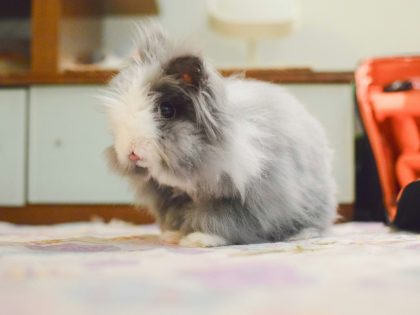
Quick answer: Most healthy adult rabbits can eat a small amount of washed cucumber, including the peel and soft seeds. Because cucumber is mostly water and relatively low in fiber, it should be an occasional part of a varied vegetable rotation—not a replacement for unlimited grass hay.
Is cucumber good for rabbits?
Cucumber can add moisture and variety, and many rabbits enjoy its texture. Its nutritional value is modest compared with fiber-rich hay and suitable leafy greens. The biggest mistake is serving so much watery produce that the rabbit eats less hay.
| Food | Role in the diet |
|---|---|
| Grass hay | The main food; supports digestion and tooth wear |
| Leafy greens | Daily variety when introduced gradually |
| Measured pellets | Concentrated nutrition; amount depends on the rabbit |
| Cucumber | Small, hydrating extra |
| Fruit/sugary treats | Very limited |
How much cucumber can a rabbit eat?
Begin with one thin slice for an adult rabbit that already tolerates fresh vegetables. Observe appetite and droppings for a day. If there is no digestive change, a few thin slices can be included occasionally in the rabbit’s normal vegetable allowance.
There is no universal portion that fits every rabbit. Body size, age, existing diet, weight, and health conditions matter. Young rabbits, rabbits recovering from illness, and those with recurring digestive problems need individualized veterinary guidance before diet changes.
Can rabbits eat cucumber peel and seeds?
The peel is generally edible when the cucumber is fresh and thoroughly washed. The soft seeds of common cucumbers are also usually safe. Remove spoiled, moldy, heavily waxed, or bitter portions. Cut long rounds into smaller pieces so they are easy to handle.
Can rabbits eat cucumber every day?
A tiny amount may fit some healthy rabbits’ daily vegetable rotation, but feeding it every day offers little advantage. Rotating rabbit-safe greens and vegetables provides more variety. If cucumber makes droppings soft or reduces hay intake, stop serving it.
How to introduce cucumber safely
- Wash it under running water.
- Offer one small piece without dressing, salt, or seasoning.
- Introduce no other new food that day.
- Monitor normal eating, activity, and stool size.
- Increase only if your rabbit tolerates it, while keeping hay intake high.
When to stop and call a vet
Stop the new food if your rabbit develops soft stool, diarrhea, bloating, discomfort, or decreased appetite. A rabbit that stops eating or producing normal droppings may have a serious gastrointestinal problem and needs urgent advice from a rabbit-savvy veterinarian.
Foods cucumber should not replace
Unlimited grass hay remains essential. Fresh water should always be available, even when a rabbit eats watery vegetables. Cucumber also should not replace a balanced selection of rabbit-safe leafy greens or a veterinarian-recommended pellet amount.
Food is only one part of wellbeing. Our rabbit bonding guide explains how to build trust without forcing contact. For another treat comparison, read whether rabbits can eat grapes.
Frequently asked questions
Can baby rabbits eat cucumber?
Young rabbits have sensitive digestive systems and should not be treated like adults. Ask a rabbit-savvy veterinarian when and how to introduce fresh foods based on age and current diet.
Can rabbits eat pickles?
No. Pickles contain salt, vinegar, spices, and sometimes sugar. Serve only plain, fresh cucumber.
Can cucumber cause diarrhea in rabbits?
Too much fresh food or a sudden diet change can upset digestion. True diarrhea in a rabbit is urgent and requires veterinary advice.
What if my rabbit refuses cucumber?
That is fine. Rabbits do not need cucumber. Never reduce hay to encourage a rabbit to eat a treat.
Is cucumber hydrating enough if my rabbit will not drink?
No. A rabbit that is not drinking, not eating, or producing fewer droppings may be ill. Cucumber is not a substitute for assessment or fluid treatment.