Guinea pig teeth chattering usually means “back off” or “give me space.” It is commonly a warning linked to annoyance, fear, social tension, or an unwanted interaction. However, repeated tooth noises when your guinea pig is resting—especially with reduced eating, drooling, weight loss, a hunched posture, or jaw swelling—can point to pain or dental disease and need prompt veterinary attention.
The sound alone cannot diagnose the cause. Watch what happened immediately before it, who your guinea pig is facing, and what the rest of the body is doing.
Guinea Pig Teeth Chattering at a Glance
| Situation | Likely meaning | What to do |
|---|---|---|
| Facing a cagemate with a stiff body or raised head | Warning, irritation, or escalating social conflict | Give both animals room and watch closely for chasing, lunging, or biting. |
| During handling, grooming, or cage cleaning | Fear, frustration, or “please stop” | Pause, lower the stress, and let your guinea pig retreat to a safe hide. |
| After a sudden sound, new smell, visitor, or nearby predator | Alarm or defensiveness | Remove the trigger when possible and restore a quiet, secure environment. |
| While resting, with hunched posture or reluctance to move | Possible pain; the noise may be grinding rather than a social warning | Contact an exotic-animal veterinarian promptly. |
| With drooling, trouble chewing, dropped food, or weight loss | Possible dental disease | Arrange urgent veterinary evaluation; do not trim teeth at home. |
What Does Guinea Pig Teeth Chattering Sound Like?
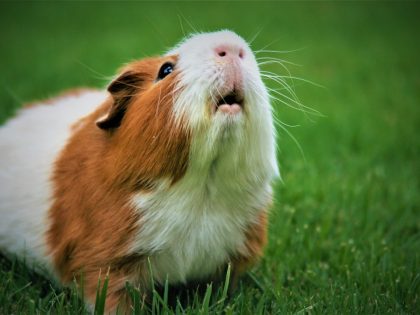
Warning chattering is usually a noticeable, rapid clacking or clicking made by moving the teeth against each other. You may also see the lips pull back or the teeth displayed. The RSPCA describes chattering and showing the teeth as a sign that a guinea pig is angry or wants more space.
Owners often use “chattering,” “grinding,” and “clicking” for several different sounds. That can make online advice confusing. Instead of relying only on the label, note the rhythm, duration, body posture, appetite, and setting. A brief burst directed at a person or cagemate is different from a repeated grinding noise in a quiet, hunched guinea pig.
Teeth Chattering vs. Tooth Grinding
Warning chattering
Warning chattering is primarily communication. It often has a clear target and trigger: another guinea pig approaches a preferred hide, a person continues handling, or something frightening enters the environment. The guinea pig may look tense, stand tall, turn sideways, raise the head, or face the target.
Grinding associated with discomfort
A guinea pig in pain may make quieter or more repetitive tooth-grinding noises without directing them at anyone. Concerning companions include sitting hunched, half-closed eyes, reduced movement, hiding, reluctance to eat, smaller droppings, or reacting when touched.
There is overlap, so do not try to diagnose pain from sound alone. Guinea pigs are prey animals and may hide illness until it is advanced. A new, persistent tooth sound plus any change in eating or behavior deserves veterinary advice.
Why Is My Guinea Pig Chattering Its Teeth?
1. Your guinea pig wants the interaction to stop
Chattering during petting, nail trimming, medication, lifting, or prolonged holding can be a clear request for space. Put your guinea pig down safely in a familiar area and allow them to enter a hide. Do not punish the behavior; it is useful communication.
2. A cagemate is too close
Guinea pigs are social, but they still compete over space and resources. Chattering may occur when one animal blocks a doorway, approaches a favorite bed, or crowds a food area. It can also appear while a pair is sorting out social boundaries.
Provide a large enclosure, multiple hay stations, more than one water source, and enough hides for every guinea pig. Hides with two exits are helpful because one animal cannot easily trap another inside.
3. Something feels threatening
New people, loud appliances, barking dogs, cats watching the enclosure, unfamiliar smells, or a changed room layout can trigger fear. Guinea pigs are cautious prey animals and need constant access to secure hiding places. Reduce noise, block the view of predators, and give them time to settle.
4. Handling is uncomfortable
A guinea pig may chatter because the hold feels insecure or pressure is being placed on a sore area. Support the chest and hindquarters, keep the body close to you, and stay near the floor. If a previously calm guinea pig suddenly objects to ordinary handling, consider pain rather than assuming a behavior problem.
5. Pain or dental disease is present
Guinea pig teeth grow continuously. Misalignment can create overgrowth or sharp edges that make chewing painful. Merck Veterinary Manual lists drooling, weight loss, mouth bleeding, abscesses, and eye or nasal discharge among possible dental-disease signs. The back teeth may be abnormal even when the front incisors look normal.
Other painful conditions can also change posture, appetite, movement, and vocal behavior. Persistent tooth noise at rest is therefore a reason to assess the whole guinea pig—not just the visible teeth.
Body Language That Helps Explain the Sound
Look for clusters of signals:
- Annoyed or defensive: stiff body, raised head, teeth displayed, direct stare, turning sideways, or a short lunge
- Afraid: freezing, flattening down, wide eyes, sudden hiding, or attempting to escape
- Social tension: repeated chasing, blocking access to food or hides, mounting, nipping, or one guinea pig constantly avoiding the other
- Possible pain or illness: hunched posture, low activity, half-closed eyes, reduced appetite, smaller or fewer droppings, drooling, wet chin, or weight loss
A short video can help your veterinarian understand the sound and context. Record from a distance without prolonging a stressful situation.
What to Do When Your Guinea Pig Chatters Its Teeth
1. Pause and create space
Stop petting, lifting, grooming, or reaching into the enclosure. Move slowly and allow access to a familiar hide. If the sound stops and normal behavior returns, the chattering was likely a boundary or fear signal.
2. Identify the trigger
Ask what changed in the previous minute. Was another guinea pig approaching? Did a dog enter the room? Were you cleaning a favorite hide? Did the sound begin during chewing, or while the guinea pig was sitting still? These details matter more than the sound in isolation.
3. Check eating, droppings, and appearance
Offer the normal hay and watch whether your guinea pig picks it up, chews normally, and swallows. Look for food falling from the mouth, a wet chin, facial swelling, abnormal incisors, smaller droppings, or reduced stool production. Do not pry the mouth open or attempt to inspect the molars yourself.
4. Review the enclosure
Make sure each guinea pig can reach hay, water, shelter, and resting areas without being blocked. Add duplicate resources and remove single-exit hides if one animal is being trapped. Browse the Guinea Pigs section and the wider Pet Care library for related everyday-care guidance.
5. Monitor the pattern, not just one episode
Write down when the chattering occurs, how long it lasts, whether it has a clear target, and whether appetite or weight has changed. A brief, explainable warning can be monitored. New, frequent, unexplained, or worsening chattering should be discussed with an exotic-animal veterinarian.
When Cagemate Chattering Becomes a Fight Risk
Do not immediately separate a compatible pair for every brief warning. Some communication helps guinea pigs set boundaries. Intervene when tension escalates to sustained lunging, biting, animals locking together, tumbling, or blood.
Protect your hands. Use a rigid barrier, dustpan, or thick towel to separate actively fighting guinea pigs rather than reaching between their mouths. Place them in secure adjacent areas where they cannot bite through the divider, check both animals for wounds, and contact an experienced guinea-pig veterinarian or behavior professional before attempting a reintroduction.
Also seek help when one guinea pig is repeatedly denied food, water, or shelter, even if no obvious fight occurs. Chronic bullying can contribute to stress and weight loss.
When to Call an Exotic-Animal Veterinarian
Arrange prompt veterinary care if chattering or grinding is new and persistent, has no obvious social trigger, or occurs with any of these signs:
- Eating less, refusing hay, or stopping food entirely
- Drooling, wet fur under the chin, or food dropping from the mouth
- Weight loss or a noticeable change in body condition
- Hunched posture, unusual stillness, weakness, or reluctance to move
- Smaller, fewer, or absent droppings
- Swelling along the jaw or face, mouth bleeding, or bad odor
- Eye or nasal discharge
- Difficulty breathing, collapse, or lack of response
A guinea pig that stops eating, has trouble breathing, or becomes weak needs urgent same-day veterinary assessment. Merck notes that guinea pigs can decline quickly and that early treatment is often critical.
Do not clip, file, or pull teeth at home. A veterinarian may need a thorough oral examination and skull imaging because painful molar disease can be hidden behind normal-looking front teeth. Never give leftover antibiotics or human pain medicines; some medications that are safe for other pets can be dangerous for guinea pigs.
Can Diet Help Prevent Dental Problems?
Constant access to good-quality grass hay supports normal chewing and digestive health. Guinea pigs also require an appropriate source of vitamin C. Dental disease can still occur because genetics, trauma, and tooth alignment also matter, so diet cannot prevent every case.
Treats and vegetables should complement—not replace—the hay-based diet. For species-specific serving guidance, read whether guinea pigs can eat strawberries and the guide to feeding green beans to guinea pigs.
Frequently Asked Questions
Why does my guinea pig chatter its teeth at me?
Your guinea pig is most likely asking for space because they feel annoyed, nervous, restrained, or overwhelmed. Pause the interaction and let them retreat. If this is a sudden change during normally tolerated handling, check for illness or pain.
Why do my guinea pigs chatter at each other?
It is usually a warning during social tension or competition over space and resources. Watch the full interaction. Brief communication may settle, but lunging, biting, injury, or one animal being persistently excluded requires intervention.
Does teeth chattering mean my guinea pig is happy?
Usually not. Guinea pigs make several sounds, but chattering while displaying the teeth is generally associated with irritation or a request for space. Context is still essential because owners may call different chewing and grinding sounds “chattering.”
Can cold make a guinea pig chatter its teeth?
Do not assume chattering is simply the same response humans have when cold. Check the enclosure temperature and look for lethargy, a cold body, weakness, or other signs of illness. Contact a veterinarian if your guinea pig seems unwell.
Should I separate two guinea pigs that are chattering?
Not automatically. Increase space and duplicate resources while supervising. Separate safely if the behavior escalates to biting, locked fighting, tumbling, blood, or sustained bullying.
Can I check my guinea pig’s back teeth at home?
No reliable home check can rule out molar disease. The mouth is small, and forcing it open can cause injury. A veterinarian experienced with guinea pigs can examine the mouth properly and use imaging when needed.
Sources
- Merck Veterinary Manual: Common Health Problems of Guinea Pigs
- Merck Veterinary Manual: Routine Care of Guinea Pigs
- RSPCA: Guinea Pig Sounds and Social Behavior
- RSPCA: Guinea Pig Behavior and Stress Signs
This article is for general education and is not a substitute for examination or treatment by a veterinarian experienced with guinea pigs. Seek prompt veterinary help for appetite loss, breathing difficulty, weakness, or other signs of illness.
Featured photo credit: Amy W. via Unsplash.