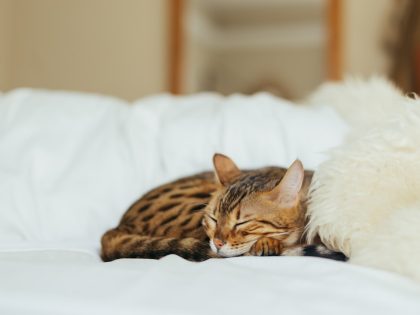
Bengal cats are one of the most visually striking breeds, with their leopard-like spots and shimmering coats. But what sets Bengal cats apart isn’t just their wild appearance, it’s their grooming needs. To keep your Bengal looking as majestic as ever, it’s essential to provide the right care for its unique fur. Grooming your Bengal cat might sound like a daunting task, but it doesn’t have to be. In this comprehensive guide, we’ll walk you through everything you need to know about keeping your Bengal’s coat clean, shiny, and healthy.
Why Grooming is Crucial for Bengal Cats
Bengal cats have short, dense coats that require regular care to stay healthy. Grooming isn’t just about aesthetics it’s about maintaining your cat’s overall well-being. Proper grooming helps:
- Prevent matting and tangles.
- Remove dead hair and dander, reducing shedding.
- Prevent skin irritations.
- Promote bonding with your cat.
Even though Bengal cats don’t require as much grooming as long-haired breeds, their unique coat needs consistent attention to keep it in top condition. Let’s dive into how to properly groom your Bengal and keep its stunning coat glowing.
Understanding the Bengal Cat’s Coat
1.1. What Makes the Bengal’s Coat So Special?
Bengal cats have a coat that is as unique as their personality. It’s soft, sleek, and filled with beautiful patterns, including spots, rosettes, and marbling. Their coat’s texture is often compared to that of a wild cat, which gives them their exotic appearance. However, this coat also has a few specific needs that make regular grooming essential.
Their fur is short, but dense, and often has a water-resistant quality, which can make it feel velvety and luxurious to the touch. Understanding these characteristics will help you determine the best grooming routine for your Bengal cat.
1.2. Why Regular Grooming Is Essential
Bengal cats have a natural inclination to clean themselves, but they still benefit greatly from human grooming. The reasons why grooming is crucial include:
- Preventing Hairballs: While Bengal cats don’t have long hair, their dense fur can still cause hairballs if not groomed regularly.
- Healthy Skin: Regular grooming helps remove dead skin cells and promotes better circulation.
- Reducing Shedding: Bengal cats do shed, but with consistent grooming, you can minimize shedding and keep your home cleaner.
Essential Grooming Tools for Your Bengal Cat
To groom your Bengal effectively, you’ll need a few key tools that cater to their unique coat. Below are the must-haves for your Bengal grooming kit.
2.1. Brushes and Combs
While Bengals have short coats, they still need brushing to prevent matting and to manage shedding. Here’s a breakdown of the tools you’ll need:
- Pin Brushes: These brushes are great for detangling any mats or tangles in your Bengal’s coat.
- Slicker Brushes: Perfect for removing loose hair and reducing shedding. Slicker brushes work well on Bengals because they help smooth out the fur.
- Wide-Tooth Comb: A comb with wide teeth helps to remove tangles without damaging the coat, especially in high-risk areas like behind the ears or under the belly.
2.2. Nail Clippers and Grooming Scissors
Nail clipping is an essential part of Bengal grooming. Keep a pair of cat-specific nail clippers on hand for regular trimming. You should aim to clip their nails once every few weeks, but this can vary based on your cat’s activity level.
Grooming scissors will help you trim stray fur or any tangles that might be difficult to reach with a brush.
2.3. Bathing Supplies
Bengal cats generally don’t need frequent baths, but an occasional bath is essential, especially if your cat gets dirty or starts to smell. Choose a gentle, cat-specific shampoo that is free from harsh chemicals. Regular bathing will help maintain their coat’s shine and softness.
2.4. Ear and Eye Care Tools
Bengal cats are known for their cleanliness, but their ears and eyes can still accumulate debris. Have some cotton balls or pads and a gentle ear cleanser on hand to keep their ears free of wax and dirt. A simple eye cleaning solution can be used to clear any discharge around their eyes.
Step-by-Step Guide to Grooming Your Bengal Cat
Now that you have the tools, let’s walk through the proper grooming routine for your Bengal cat.
3.1. Brushing Your Bengal’s Coat
Brushing is the cornerstone of Bengal grooming. Here’s how to do it:
- Choose the Right Brush: Use a pin or slicker brush that works best with your cat’s fur.
- Start from the Neck: Gently start brushing from your Bengal’s neck and move towards the tail. Work in sections to prevent tangling.
- Be Gentle: Bengals are sensitive cats, so brush slowly and gently. If you encounter any tangles, gently detangle them with your fingers or a comb.
- Brush Often: Aim to brush your Bengal at least twice a week to maintain a healthy coat and prevent excessive shedding.
3.2. Bathing Your Bengal Cat
Bathing your Bengal cat may sound intimidating, but with the right technique, it can be a relaxing experience for both of you.
- Prepare the Bath Area: Fill the sink or bathtub with warm water, ensuring it’s not too hot or too cold.
- Wet Your Bengal Gently: Use a cup or gentle showerhead to wet your Bengal’s coat. Avoid getting water in their ears and eyes.
- Apply Cat Shampoo: Use a small amount of cat-safe shampoo, massaging it gently into their fur.
- Rinse Thoroughly: Make sure to rinse all the shampoo out completely.
- Dry Your Bengal: Gently towel-dry your Bengal, then let them air dry or use a hairdryer on the lowest setting, if they tolerate it.
3.3. Nail Clipping and Paw Care
Trimming your Bengal’s nails helps prevent damage to furniture and scratches to you. Here’s how to do it:
- Examine the Nails: Check your Bengal’s claws for growth. Make sure you trim only the sharp tip of each claw.
- Use Cat Nail Clippers: Gently press on the paw pad to extend the claws, and use your clippers to trim the sharp tip.
- Trim Regularly: Depending on your cat’s activity level, you should clip their nails every 1-2 weeks.
3.4. Cleaning Eyes and Ears
- Ears: Use a cotton ball and ear-cleaning solution to gently wipe the inside of your Bengal’s ears. Avoid inserting anything into the ear canal.
- Eyes: If you notice any eye discharge, use a damp cotton ball to gently clean the area around your Bengal’s eyes.
Diet and Health for a Healthy Coat
A balanced diet is essential for your Bengal cat’s coat health. Here’s what to feed your Bengal to keep their fur in top condition:
- High-Quality Protein: Bengals need protein-rich food to maintain their active lifestyle and strong muscles. Look for foods that list meat as the first ingredient.
- Omega-3 Fatty Acids: Foods rich in Omega-3 fatty acids help to maintain healthy skin and a shiny coat.
- Hydration: Make sure your Bengal has access to fresh water at all times. Dehydration can affect the health of their skin and coat.
Professional Grooming: When to Seek Help
While regular grooming can keep your Bengal’s coat in excellent condition, sometimes professional grooming is necessary.
6.1. When Should You Consider a Professional Groomer?
- Matting Issues: If your Bengal’s coat becomes severely matted and you’re unable to detangle it yourself, a professional groomer can help.
- Stress-Free Bathing: If your Bengal is particularly stressed by baths, a professional groomer can take the load off.
6.2. Finding the Right Groomer
When choosing a groomer for your Bengal, ensure they have experience with exotic breeds. Ask for recommendations and read reviews to find a trusted professional.
FAQ Section
Q1: How often should I groom my Bengal cat?
You should brush your Bengal cat at least twice a week to prevent tangles and reduce shedding.
Q2: Do Bengal cats shed a lot?
Bengal cats do shed, but regular grooming can help reduce the amount of fur they leave behind.
Q3: Can I bathe my Bengal cat regularly?
Bengals don’t require frequent baths, but occasional bathing can help keep their coat clean and shiny.
Q4: Why does my Bengal cat have dandruff?
Dandruff can be caused by dry skin. Ensure your Bengal is getting a balanced diet and that they are hydrated.
Q5: Can I use human shampoo for my Bengal cat?
No, you should only use cat-specific shampoo for your Bengal to avoid skin irritation.
Conclusion
Grooming a Bengal cat is not just about maintaining its stunning coat; it’s about ensuring your cat’s overall health and well-being. By following these tips and maintaining a regular grooming routine, you can keep your Bengal looking and feeling their best. Remember, grooming is also a fantastic bonding activity that helps build a stronger connection with your feline friend. Whether you’re brushing, bathing, or clipping nails, these steps will ensure your Bengal’s coat stays as magnificent as their wild beauty. Happy grooming!