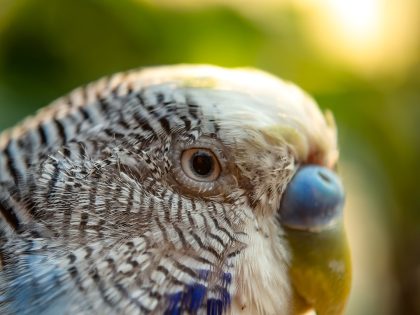
The Blue-Footed Booby is one of the most fascinating and colorful birds in the animal kingdom, renowned for its vibrant blue feet and unique mating dance. Native to the Galápagos Islands, this species has captured the imagination of wildlife enthusiasts and conservationists worldwide. However, despite their popularity, Blue-Footed Boobies are facing several serious threats, primarily driven by human activities and climate change.
In this article, we’ll explore the importance of protecting Blue-Footed Boobies, why their survival matters, and how you can play an essential role in safeguarding their future. Whether you’re a passionate animal rights advocate or simply someone who loves wildlife, there are tangible steps you can take to help protect these incredible creatures.
Understanding the Blue-Footed Booby: Why They’re Worth Protecting
Before diving into ways you can help, let’s first understand what makes the Blue-Footed Booby so unique and why their protection is critical.
1. What Makes the Blue-Footed Booby Special?
The Blue-Footed Booby is a seabird found primarily in the Galápagos Islands, although their range extends across other parts of the eastern Pacific Ocean. These birds are easily recognizable thanks to their stunning blue feet, which they use in an elaborate courtship display. The brighter and more vivid the blue feet, the more attractive they are to potential mates.
The Blue-Footed Booby plays a crucial role in the ecosystem, particularly in regulating fish populations. They are a key species in maintaining the health of the marine food chain.
2. Threats Facing the Blue-Footed Booby
Unfortunately, despite their unique charm, Blue-Footed Boobies are under threat. Some of the primary threats they face include:
- Climate Change: Rising ocean temperatures are affecting the availability of their primary food source—fish. Warmer waters lead to a reduction in nutrients, impacting fish populations.
- Human Activity: Increased tourism and habitat destruction are causing disturbance in their natural habitats. Pollution, especially plastic waste, also poses a significant threat.
- Invasive Species: Non-native animals, such as rats and pigs, disrupt nesting areas and prey on eggs and young chicks.
How You Can Help Protect Blue-Footed Boobies: 5 Actionable Ways
Now that you understand the importance of Blue-Footed Boobies and the threats they face, let’s explore what you can do to help protect them.
1. Support Conservation Organizations
Many organizations are working tirelessly to protect the Blue-Footed Booby and other wildlife in the Galápagos. By supporting these groups, you can contribute to the efforts aimed at preserving their natural habitat.
How to get involved:
- Donate to environmental organizations like the Galápagos Conservation Trust or Wildlife Conservation International, which directly support the conservation of marine birds.
- Fund specific programs such as habitat restoration, predator control, and wildlife monitoring.
- Follow these organizations to stay updated on their work and share their campaigns on social media.
2. Practice Responsible Tourism
If you plan on visiting the Galápagos Islands or any other area with Blue-Footed Boobies, make sure to follow responsible tourism practices. These practices help minimize the impact on local wildlife and their habitats.
Responsible tourism tips:
- Stick to marked trails and avoid disturbing nesting areas.
- Don’t get too close to Blue-Footed Boobies or other wildlife. Always keep a safe distance and use binoculars or zoom lenses for a closer look.
- Choose eco-friendly travel options that support conservation efforts in the region.
- Avoid buying souvenirs made from endangered species or coral.
3. Reduce Your Carbon Footprint
Climate change is one of the most significant threats to the Blue-Footed Booby. By reducing your carbon footprint, you help combat global warming and ensure the future of many species, including this unique bird.
Simple steps to reduce your carbon footprint:
- Use public transport, carpool, or walk instead of driving alone.
- Support renewable energy sources like wind and solar power.
- Reduce energy consumption in your home by using energy-efficient appliances.
- Minimize waste by recycling and composting, and cut down on single-use plastics.
4. Advocate for Stronger Environmental Protection Policies
One of the most impactful ways to protect Blue-Footed Boobies is by pushing for stronger environmental policies that prioritize conservation. Governments play a crucial role in protecting wildlife, and advocating for such policies can lead to significant change.
How to advocate effectively:
- Sign petitions and support laws that promote the conservation of endangered species.
- Contact local lawmakers and express your concerns about habitat destruction and climate change.
- Join or support organizations that advocate for stronger environmental protections in the Galápagos and beyond.
- Participate in community events or forums that raise awareness about endangered species and their conservation.
5. Spread Awareness and Educate Others
Education is one of the most powerful tools in conservation. By spreading awareness about the Blue-Footed Booby and the threats it faces, you can inspire others to take action as well.
Ways to educate and spread awareness:
- Share interesting facts and conservation tips on social media to engage others in the cause.
- Organize talks, webinars, or workshops about wildlife conservation and the importance of protecting species like the Blue-Footed Booby.
- Create educational materials like blog posts or videos to reach a broader audience.
Success Stories: How Conservation Efforts Are Making a Difference
There have been some significant successes in Blue-Footed Booby conservation, proving that concerted efforts can yield positive results.
1. Conservation in the Galápagos Islands
Efforts to control invasive species, such as the eradication of rats and pigs from key islands, have had a positive effect on the Blue-Footed Booby population. These actions have led to higher chick survival rates and healthier nesting sites.
2. Collaboration with Local Communities
Local communities in the Galápagos play a vital role in conservation efforts. They are working closely with researchers and environmental groups to monitor Blue-Footed Booby populations and ensure that the birds are protected during critical breeding seasons.
FAQs: Common Questions About Blue-Footed Boobies
Q1: What do Blue-Footed Boobies eat?
Blue-Footed Boobies primarily feed on fish, such as sardines and anchovies. They hunt by diving into the ocean from great heights to catch their prey.
Q2: Are Blue-Footed Boobies endangered?
While not currently classified as endangered, Blue-Footed Boobies are vulnerable to threats such as climate change, habitat destruction, and predation by non-native species.
Q3: Can I see Blue-Footed Boobies in the wild?
Yes! The best place to see Blue-Footed Boobies in the wild is on the Galápagos Islands, where they are native. They can also be found along the coasts of Baja California and other parts of the eastern Pacific.
Q4: How do Blue-Footed Boobies attract mates?
Blue-Footed Boobies use their striking blue feet in a courtship ritual. The males show off their bright blue feet by performing an intricate dance, hoping to attract a female.
Q5: What can I do to help protect Blue-Footed Boobies if I can’t travel?
You can support conservation organizations, reduce your carbon footprint, advocate for stronger wildlife protection laws, and raise awareness about the importance of protecting Blue-Footed Boobies.
Conclusion: Join the Effort to Protect Blue-Footed Boobies
Protecting the Blue-Footed Booby requires collective action. By supporting conservation efforts, practicing responsible tourism, reducing your environmental impact, and advocating for stronger policies, you can help ensure that these iconic birds thrive for generations to come. Remember, every small action counts, and together, we can make a significant difference in protecting the Blue-Footed Booby and other endangered species. So, what are you waiting for? Start today, and be a part of the solution!