There’s something magical about a dog so large it can rest its head on your lap while you’re standing up. Big dog breeds have a way of stealing hearts with their massive paws, gentle eyes, and surprisingly sweet personalities. If you’ve ever dreamed of sharing your home with a gentle giant, you’re in the right place.
This guide covers 25 big dog breeds that are popular across the United States. You’ll learn about their size, temperament, health needs, and what kind of home suits them best. Whether you’re a first-time owner or a lifelong dog lover, this article will help you find the right big dog breed for your lifestyle.
What Counts as a Big Dog Breed?
Not all large dogs are created equal. Dog experts usually split them into two groups:
- Large breeds typically weigh between 50 and 100 pounds. Think Labrador Retrievers or German Shepherds.
- Giant breeds weigh over 100 pounds and often stand well above two feet tall at the shoulder. Great Danes and English Mastiffs fall into this category.
Both groups share some common traits. They tend to be strong, loyal, and often calmer indoors than their size suggests. But they also come with unique care needs, which we’ll cover later in this article.
The 25 Best Big Dog Breeds in America
Let’s dive into the list. Each breed below includes its average size, temperament, and what makes it special.
1. Great Dane
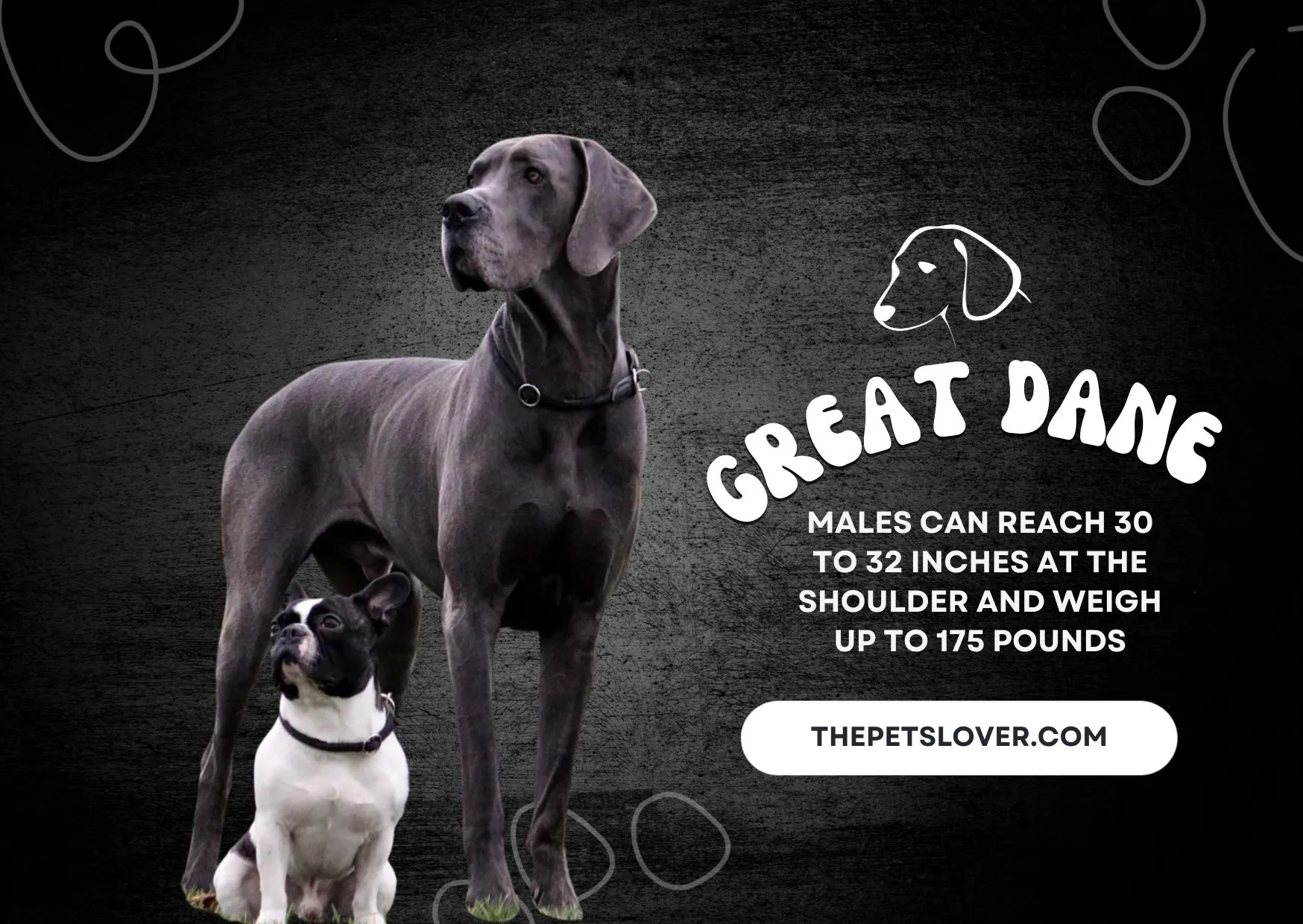
Size: 28–32 inches tall, 110–175 lbs Origin: Germany
Great Danes are often called the tallest dogs in the world, and their sheer size is usually the first thing people notice. Despite their towering frame, they’re famous for being gentle giants who love to lean against their owners for affection — a habit fondly known as the “Great Dane lean.” They’re patient with children, easygoing indoors, and don’t need as much exercise as their size suggests. Grooming is easy thanks to a short coat, but their lifespan of 8 to 10 years is shorter than many smaller breeds, and they’re prone to bloat, so slow feeding practices are recommended. Great Danes do best in homes with enough space for their long legs to stretch out, though many adapt surprisingly well to apartment living once fully trained.
2. English Mastiff
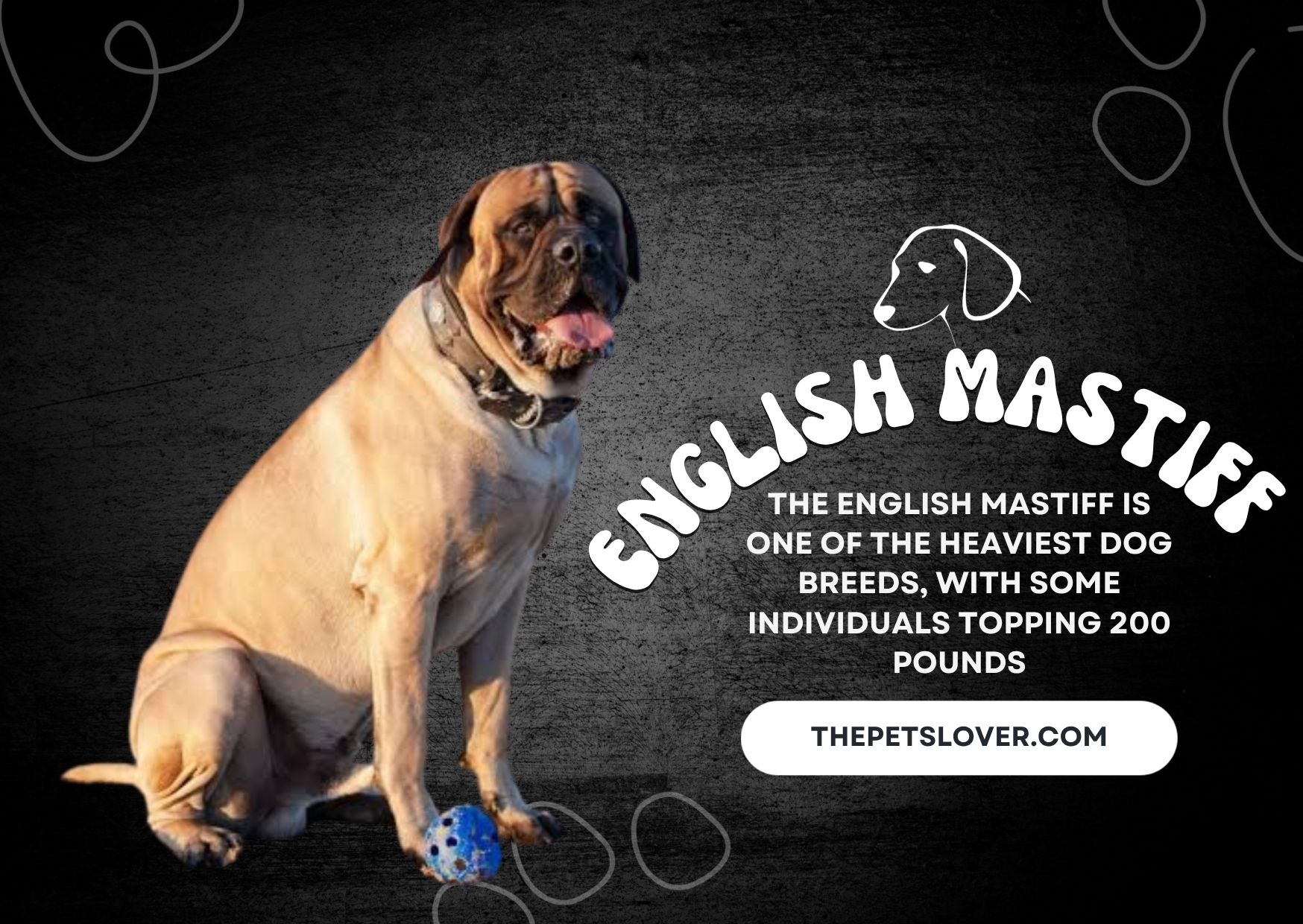
Size: 27–30 inches tall, 120–230 lbs Origin: England
The English Mastiff is one of the heaviest dog breeds on record, with some individuals topping 200 pounds. Underneath that massive frame is a calm, protective, and deeply loyal companion. They’re generally quiet indoors and form strong bonds with their families, often positioning themselves between visitors and the people they love. Early socialization is important since their size alone can be intimidating to strangers, even when their intentions are friendly. Their short coat is low-maintenance, but they do drool and shed moderately. Mastiffs are prone to joint issues and heart conditions, so regular vet checkups matter. They suit homes with space, a calm household routine, and owners who don’t mind a bit of drool on the furniture.
3. Saint Bernard
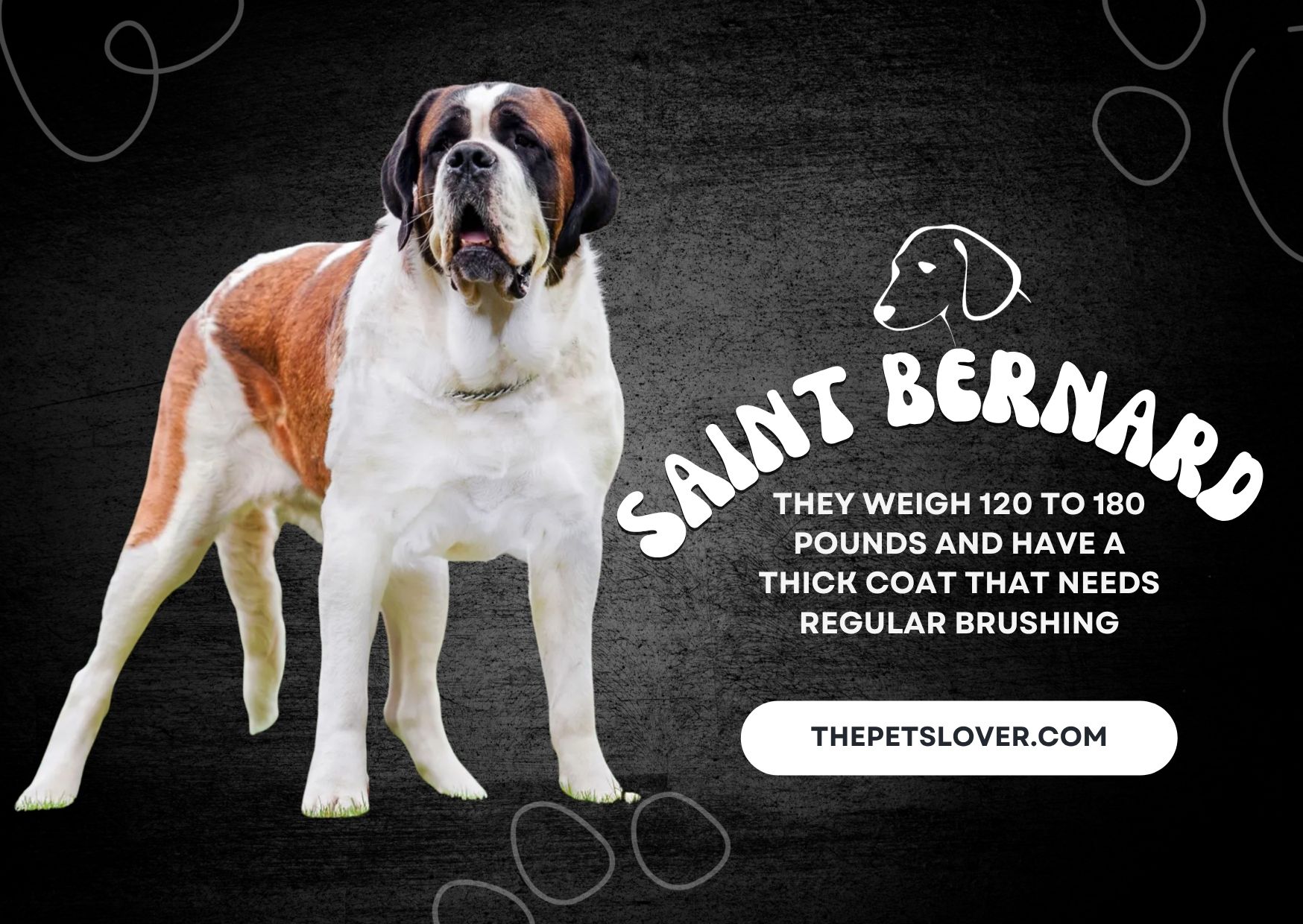
Size: 26–30 inches tall, 120–180 lbs Origin: Switzerland
Famous for their history rescuing stranded travelers in the Swiss Alps, Saint Bernards are gentle, patient, and wonderful with kids. Their calm and nurturing personality makes them a favorite family breed despite their massive size. They come in both short-haired and long-haired varieties, with the long-haired type needing regular brushing to prevent matting, especially during heavy shedding seasons. Saint Bernards can be prone to hip dysplasia and heart problems, so a controlled growth diet as puppies is important. They do well in cooler climates and homes with enough room to move around comfortably, and they’re not big barkers, which makes them surprisingly suited to quieter neighborhoods.
4. Newfoundland
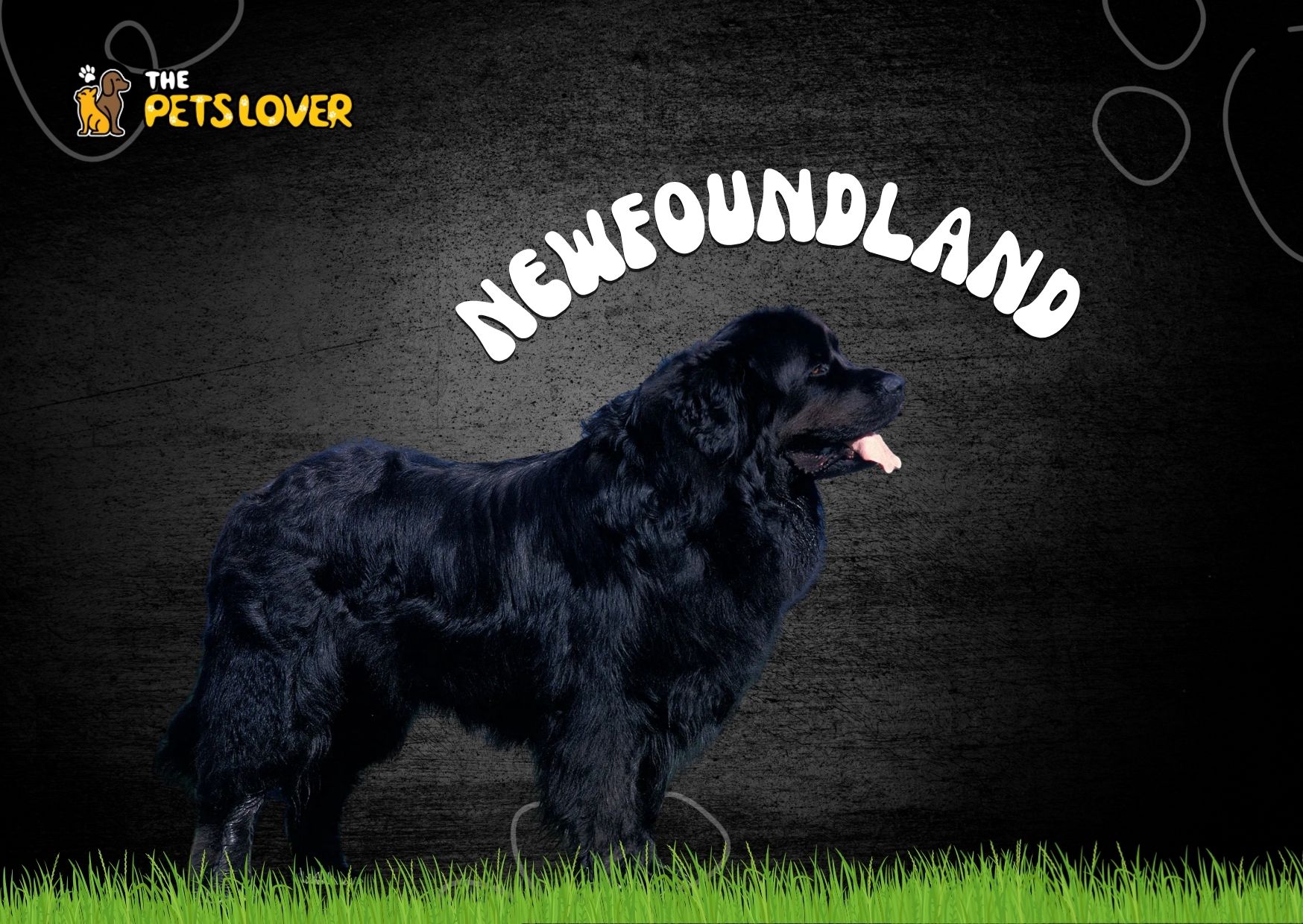
Size: 26–28 inches tall, 100–150 lbs Origin: Canada
Newfoundlands are natural swimmers, complete with webbed feet and a water-resistant double coat. Their sweet, nurturing temperament has earned them the nickname “nanny dogs,” thanks to their patience and gentleness with children. They thrive on companionship and don’t do well left alone for long stretches. Their thick coat requires regular brushing, especially during shedding season, and they tend to drool more than average. Because they were bred for cold water rescue work, they handle cool climates better than hot ones. Health-wise, they can be prone to hip dysplasia and certain heart conditions, so regular checkups are recommended. They’re an excellent match for families who enjoy outdoor activities near water.
5. Irish Wolfhound
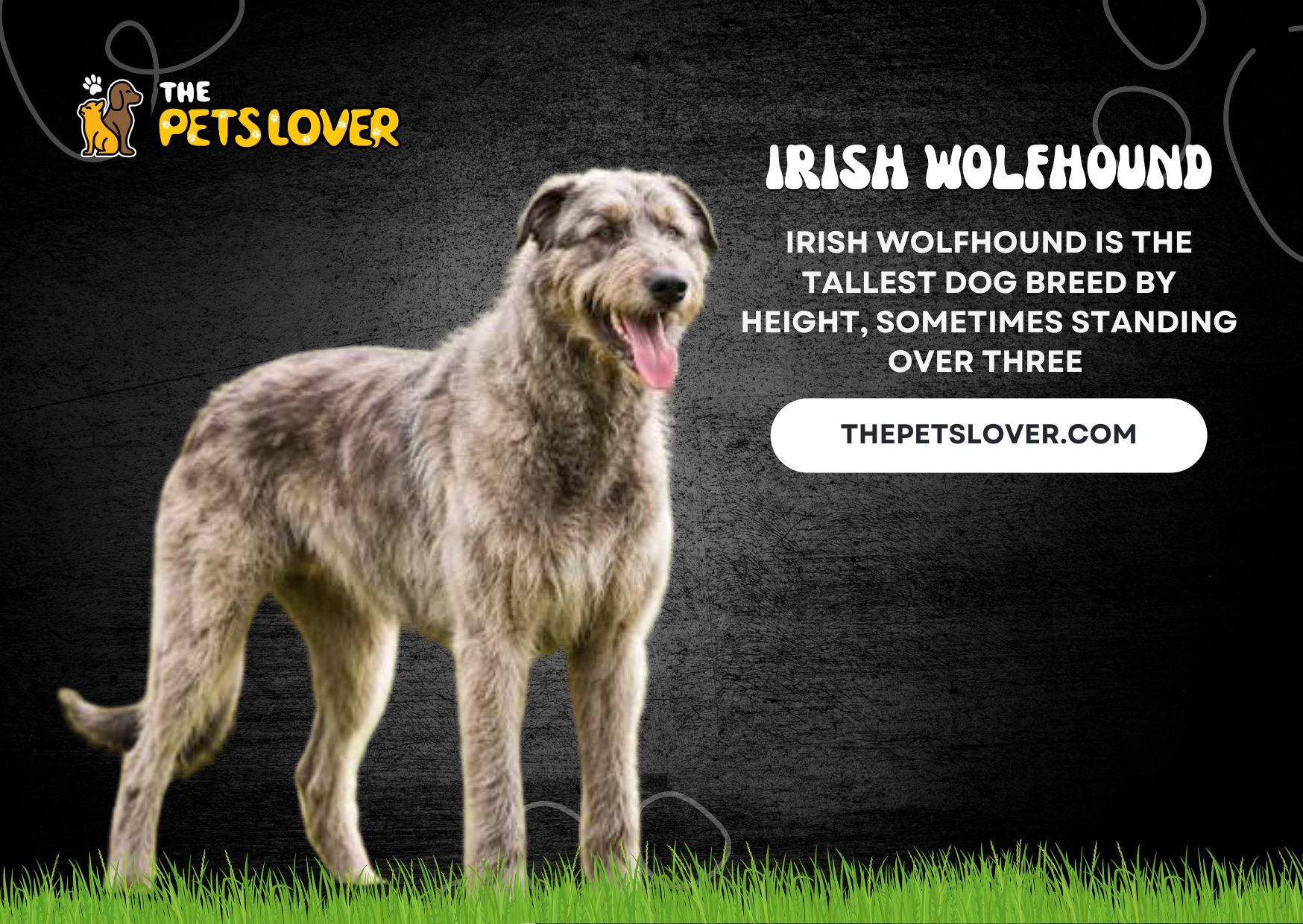
Size: 30–35 inches tall, 105–180 lbs Origin: Ireland
The Irish Wolfhound holds the title of tallest dog breed by height, with some individuals standing over three feet at the shoulder. Despite this imposing stature, they have a calm, dignified, and friendly nature. They don’t require excessive exercise once fully grown, though daily walks help keep them fit. Their wiry coat needs occasional brushing but isn’t especially high-maintenance. Unfortunately, like many giant breeds, they have a shorter average lifespan of around 6 to 8 years and can be prone to heart issues and bloat. Irish Wolfhounds do best in homes with enough space to stretch their long legs, and they tend to be wonderful with children and other pets.
6. Great Pyrenees
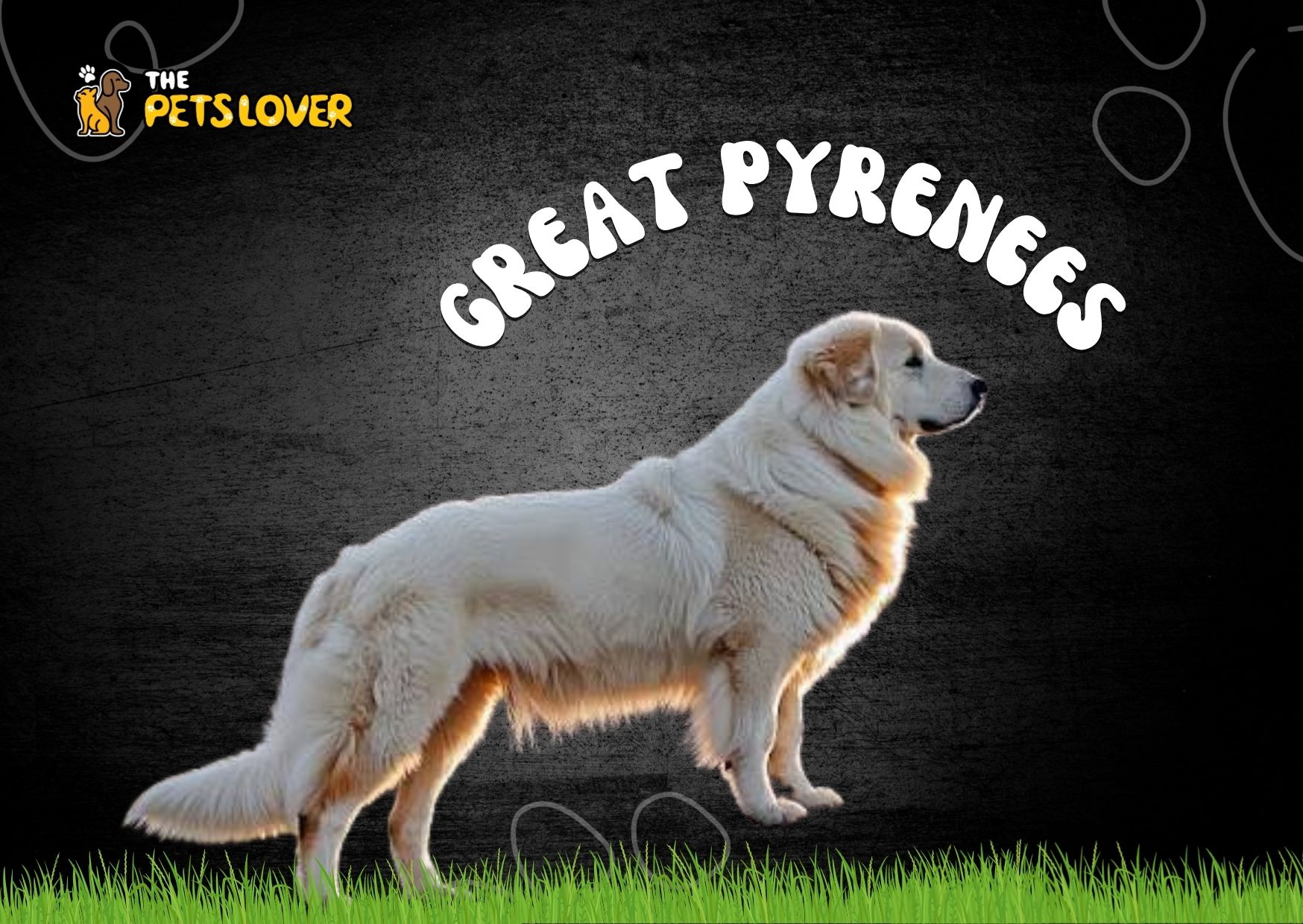
Size: 25–32 inches tall, 85–160 lbs Origin: France/Spain
Bred to guard livestock in the mountains, the Great Pyrenees is independent, watchful, and deeply protective of their family and territory. They have a thick, white double coat suited for cold climates, which sheds heavily and needs regular brushing. Because they were bred to work and think independently, training can take patience, and they tend to bark at night to ward off perceived threats — something to consider for close neighborhoods. They generally get along well with children and other animals when raised together. Health concerns include hip dysplasia and bloat. Great Pyrenees do best with space to patrol, ideally a fenced yard, rather than a small apartment.
7. Bernese Mountain Dog
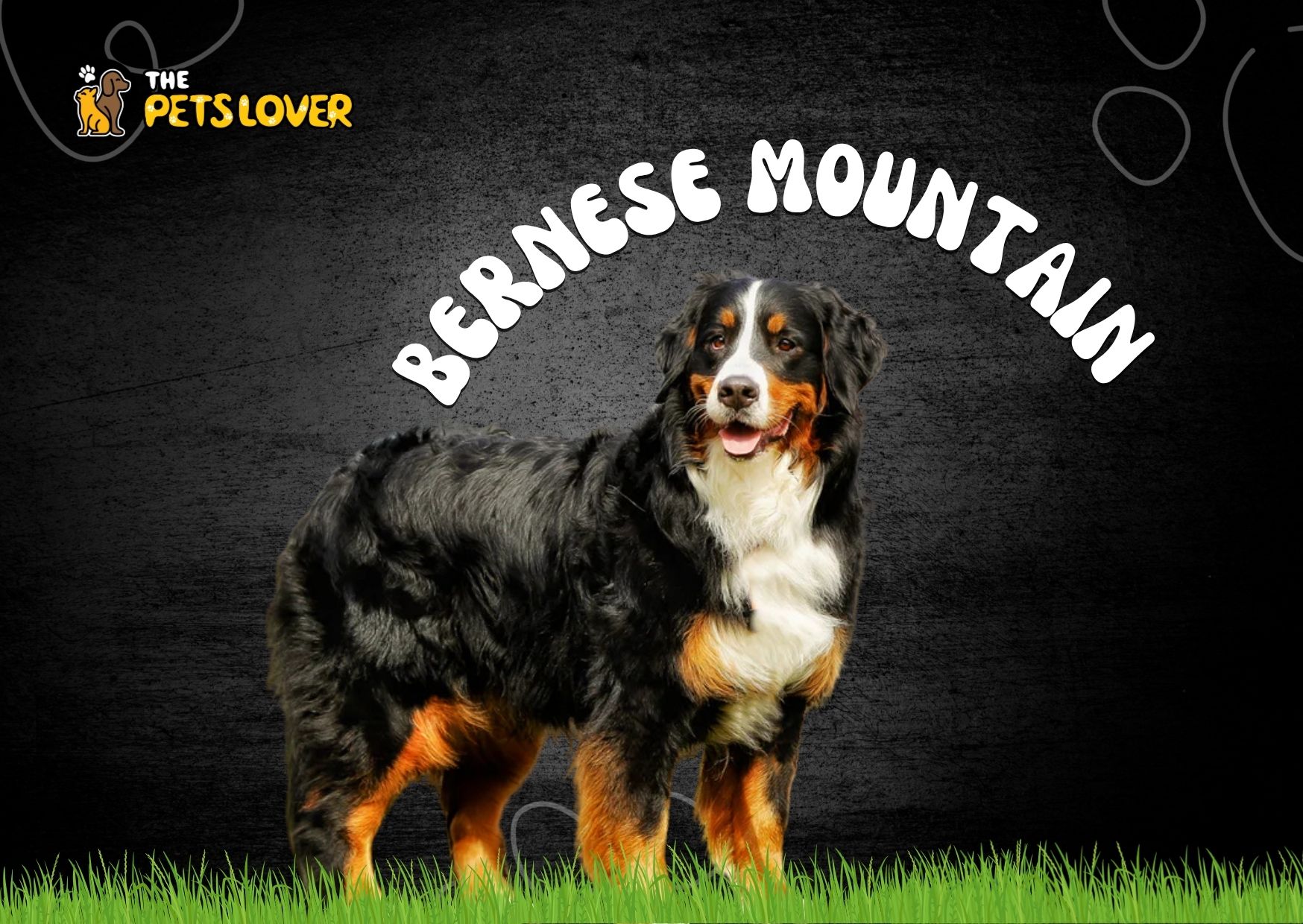
Size: 23–27 inches tall, 70–115 lbs Origin: Switzerland
Bernese Mountain Dogs combine impressive strength with real affection for their families. Their tri-colored coat is striking but requires regular brushing to manage shedding, especially in warmer months. They’re known for being loyal, easygoing companions who enjoy cool weather and outdoor activity, including hiking and pulling small carts, a nod to their farm dog origins. Unfortunately, Berners have a shorter average lifespan of 7 to 10 years and are prone to certain cancers and joint issues, so reputable breeding and regular vet care are especially important. They thrive in homes with yards and cooler climates, and they generally do wonderfully with children.
8. Cane Corso
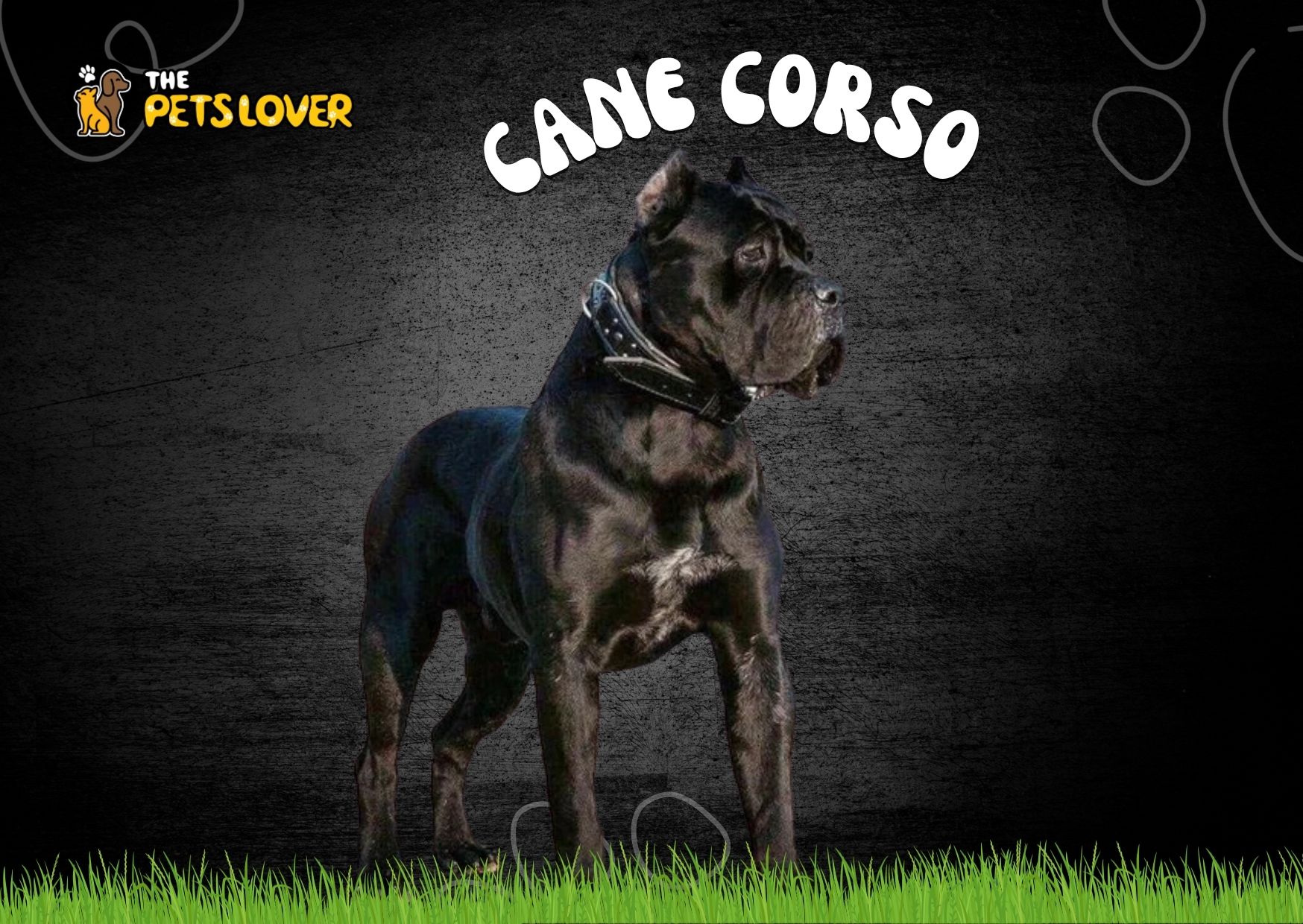
Size: 23–27 inches tall, 90–120 lbs Origin: Italy
The Cane Corso is a powerful Italian guard breed with a muscular build and an alert, confident temperament. They’re intelligent and highly trainable but need firm, consistent leadership from an early age to manage their natural protective instincts. Their short coat is low-maintenance, needing only occasional brushing. Cane Corsos are generally healthy but can be prone to hip dysplasia and bloat like many large breeds. They form strong bonds with their families and can be excellent with children when properly socialized, though their guarding instincts mean early exposure to different people and situations is essential. This breed suits experienced owners who can provide structure and exercise.
9. Rottweiler
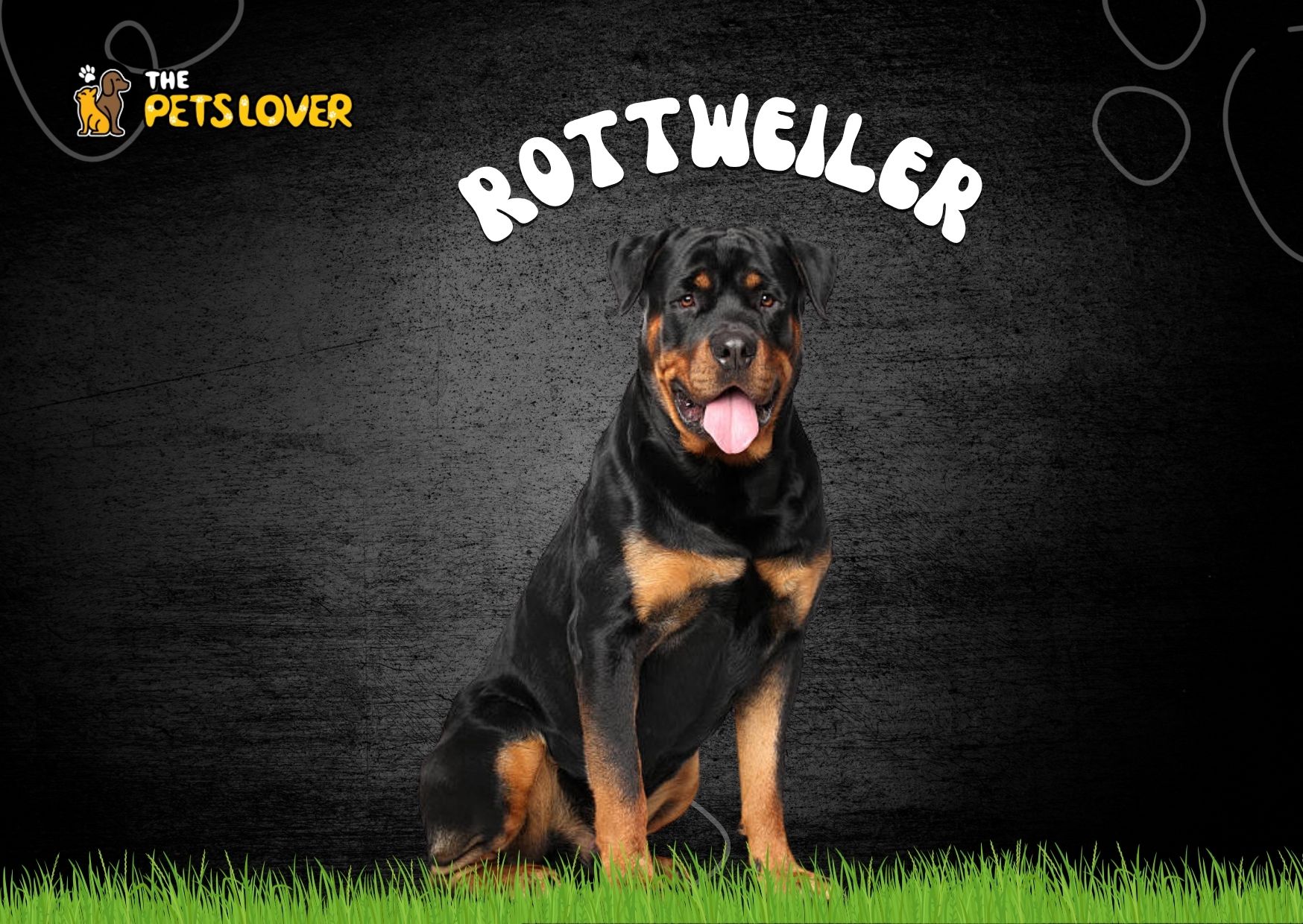
Size: 22–27 inches tall, 80–135 lbs Origin: Germany
Rottweilers are confident, loyal, and highly trainable, which is why they’re commonly used in guarding, service, and search-and-rescue work. With proper socialization, they’re also devoted and gentle family companions. Their short double coat sheds moderately and needs weekly brushing. Rottweilers are prone to hip and elbow dysplasia, along with certain heart conditions, so regular screening is important. They’re strong-willed and benefit from consistent, positive-reinforcement training starting in puppyhood. This breed does best with owners who can provide structure, exercise, and mental stimulation, and they tend to be especially protective and affectionate toward their own family members.
10. German Shepherd
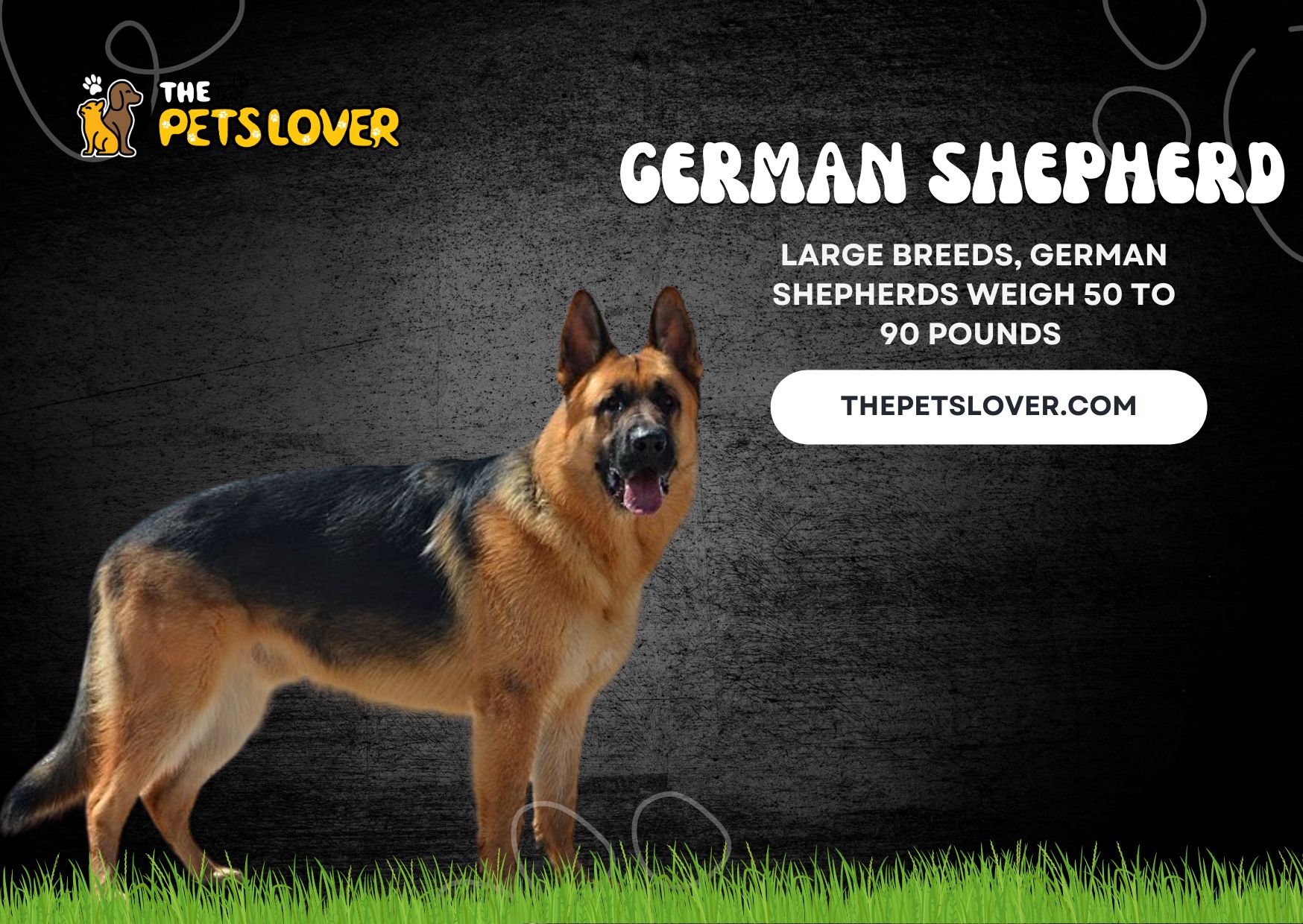
Size: 22–26 inches tall, 50–90 lbs Origin: Germany
One of the most versatile large breeds, the German Shepherd is known for intelligence, work ethic, and unwavering loyalty. They excel in roles ranging from police and military work to service dogs and family companions. Their double coat sheds year-round, with heavier shedding twice a year, so regular brushing helps manage loose fur. German Shepherds need plenty of physical and mental exercise to stay balanced, as boredom can lead to destructive behavior. They’re prone to hip dysplasia and degenerative myelopathy, so buying from a reputable breeder matters. This breed suits active households that can provide training, exercise, and a job to do, whether formal or informal.
11. Labrador Retriever
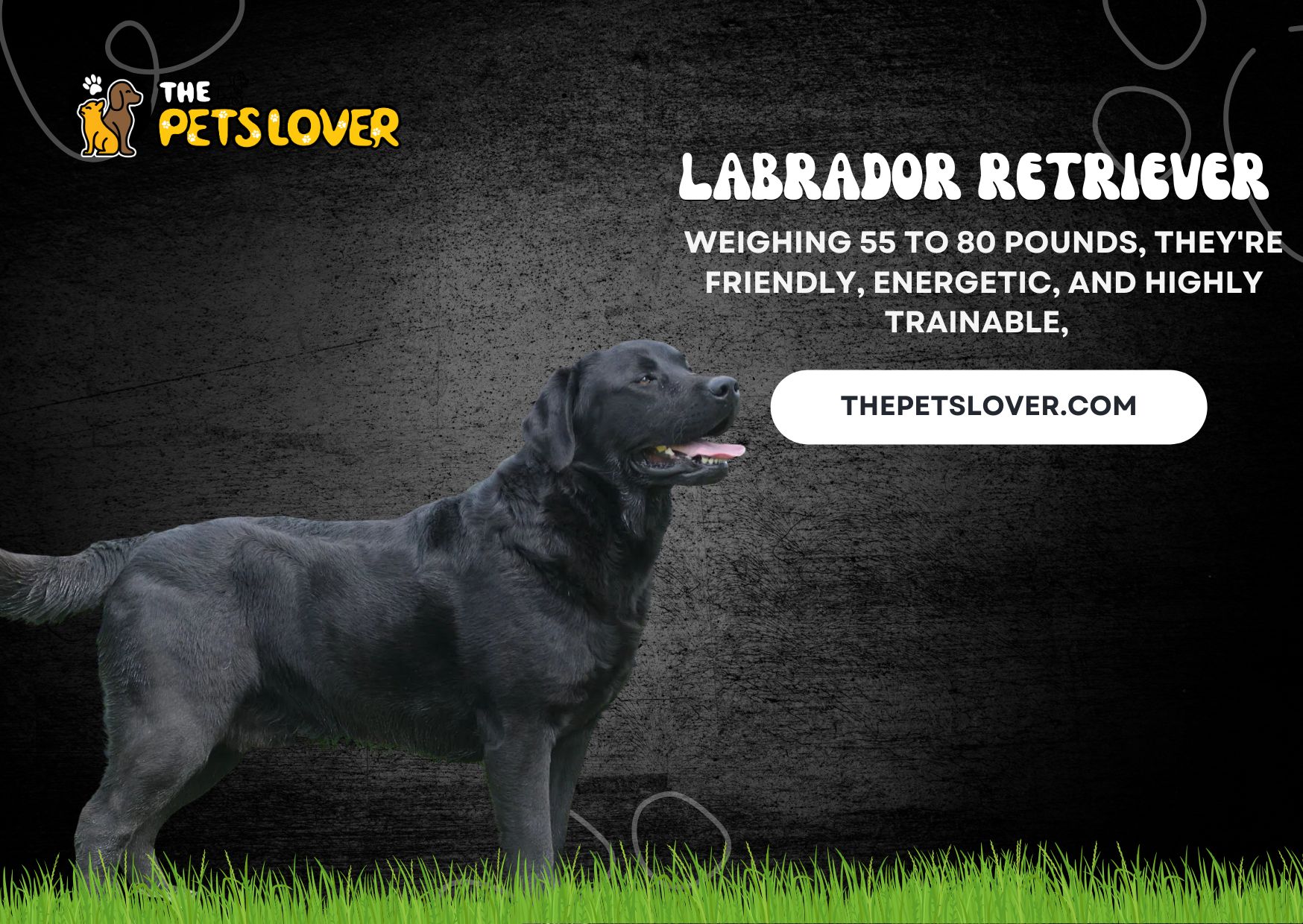
Size: 21–24 inches tall, 55–80 lbs Origin: Canada
Labs are consistently ranked among the most popular dogs in the United States, and it’s easy to see why. They’re friendly, energetic, and highly trainable, making them a great fit for families, first-time owners, and active individuals alike. Their short, dense coat sheds a fair amount but requires minimal grooming beyond regular brushing. Labs love food, which means portion control is important to prevent obesity, a common health issue in the breed along with hip dysplasia. They need regular exercise, whether it’s fetch, swimming, or long walks, to stay happy and avoid boredom-related mischief. Labs generally do wonderfully with children and other pets.
12. Golden Retriever
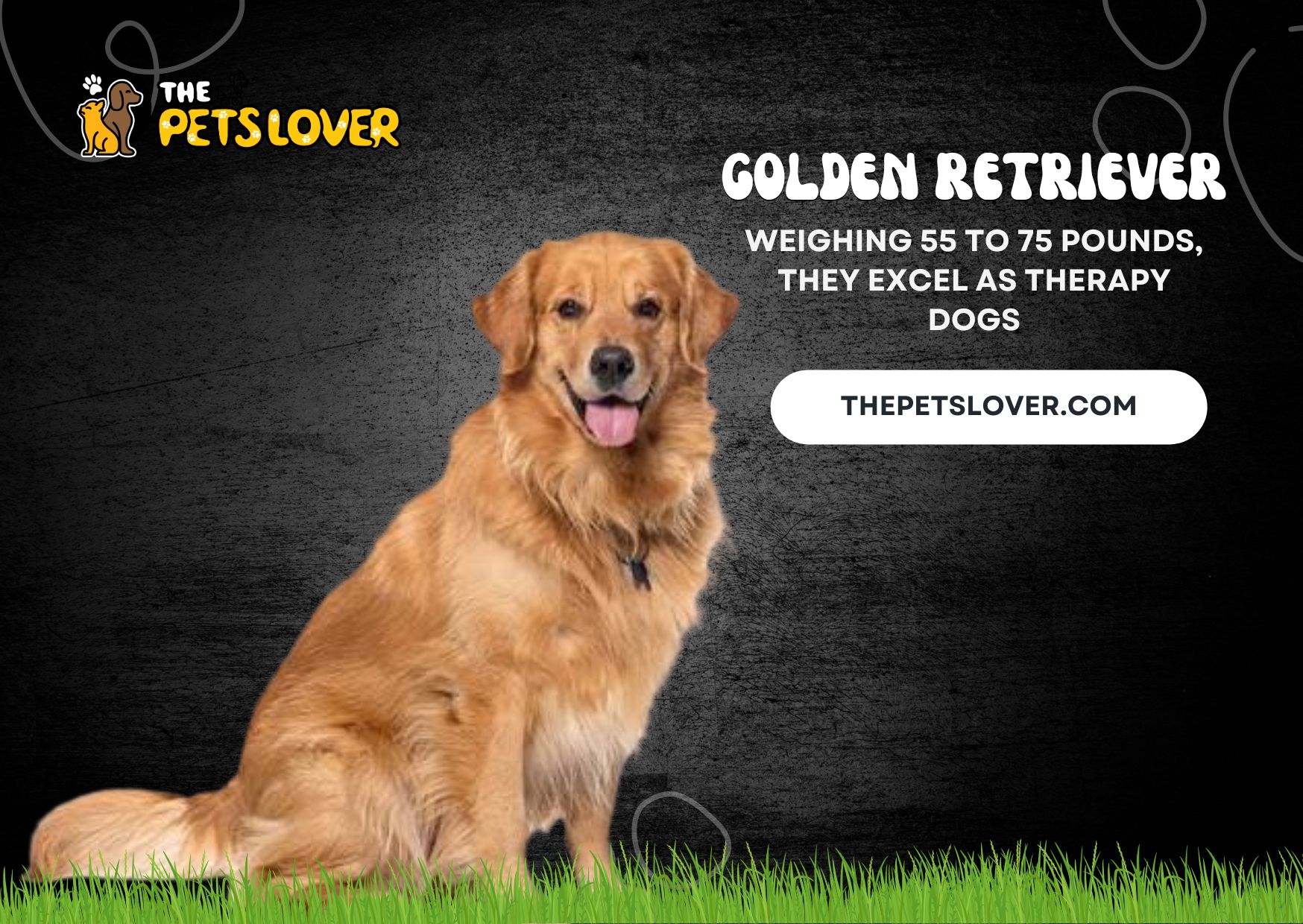
Size: 21–24 inches tall, 55–75 lbs Origin: Scotland
Golden Retrievers are famous for their patient, affectionate nature, which makes them one of the best family dog breeds around. They excel as therapy dogs, service animals, and loving companions thanks to their gentle temperament and eagerness to please. Their beautiful golden coat requires regular brushing to prevent matting and manage shedding. Goldens need daily exercise and mental stimulation to stay content, as they’re an active, intelligent breed at heart. Health concerns include hip dysplasia and a higher-than-average risk of certain cancers, so regular vet checkups are especially important. They fit beautifully into family homes with kids, other pets, and an active lifestyle.
13. Doberman Pinscher
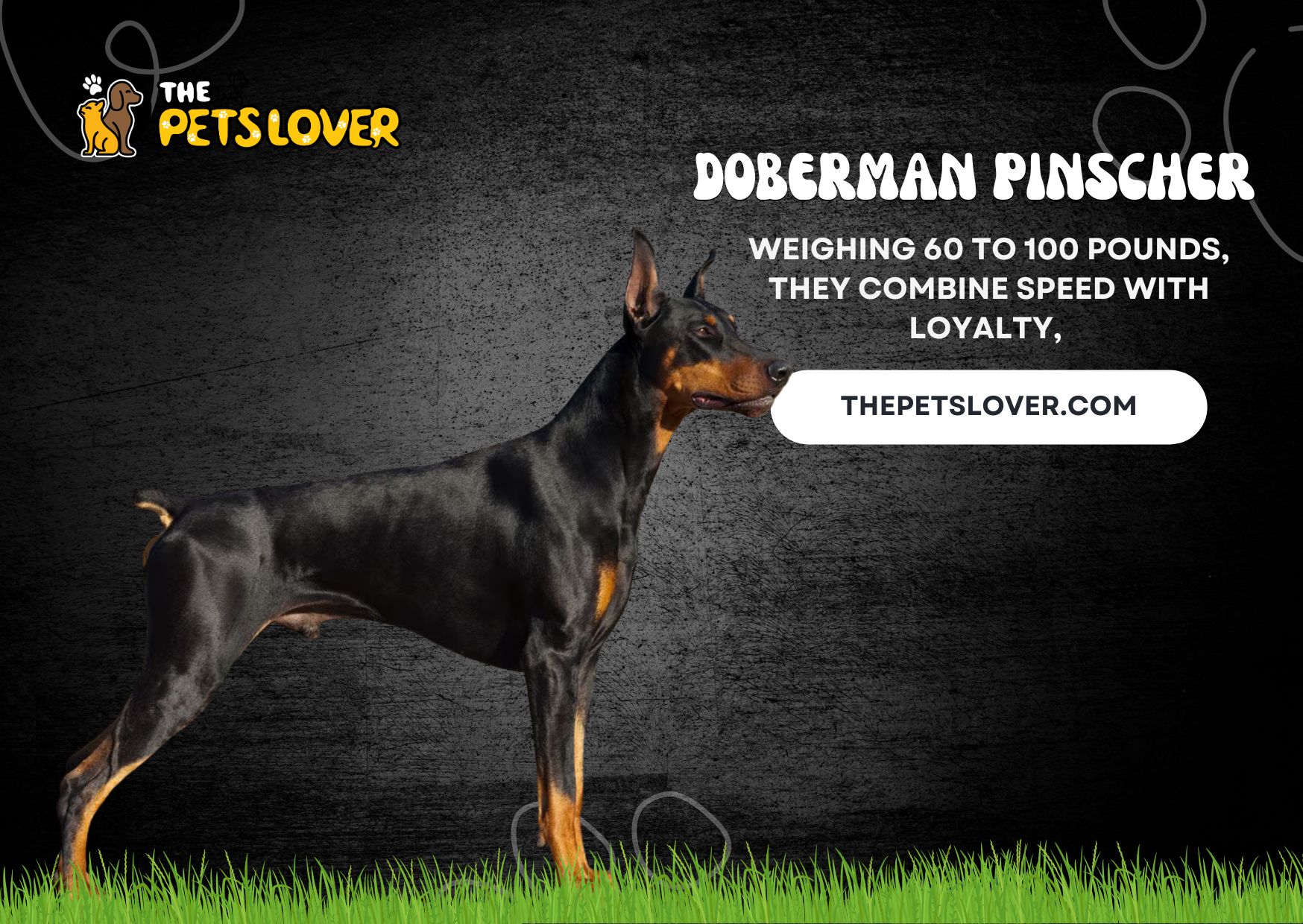
Size: 24–28 inches tall, 60–100 lbs Origin: Germany
Dobermans are sleek, athletic, and alert, combining speed with remarkable loyalty. They’re often chosen as protection dogs but are equally affectionate and devoted companions within their family circle. Their short coat is easy to maintain, needing only occasional brushing. Dobermans are highly intelligent and need consistent training and mental stimulation to thrive, as boredom can lead to restlessness. Health concerns include dilated cardiomyopathy, a heart condition that’s more common in this breed, so regular cardiac screening is recommended. They do best with active owners who can provide structure, exercise, and plenty of engagement, and they tend to be excellent with familiar children.
14. Boxer

Size: 21–25 inches tall, 50–80 lbs Origin: Germany
Boxers are playful, energetic, and famously goofy, making them a hit with families who want an animated, affectionate companion. They’re especially patient and gentle with children, often described as natural playmates. Their short coat requires minimal grooming, just an occasional brushing. Boxers need regular exercise to burn off their abundant energy and stay mentally satisfied. They can be prone to certain heart conditions and are sensitive to extreme heat due to their shorter snouts, so care should be taken during hot weather. This breed suits active families who enjoy playtime, training, and a dog with a big, silly personality.
15. Akita
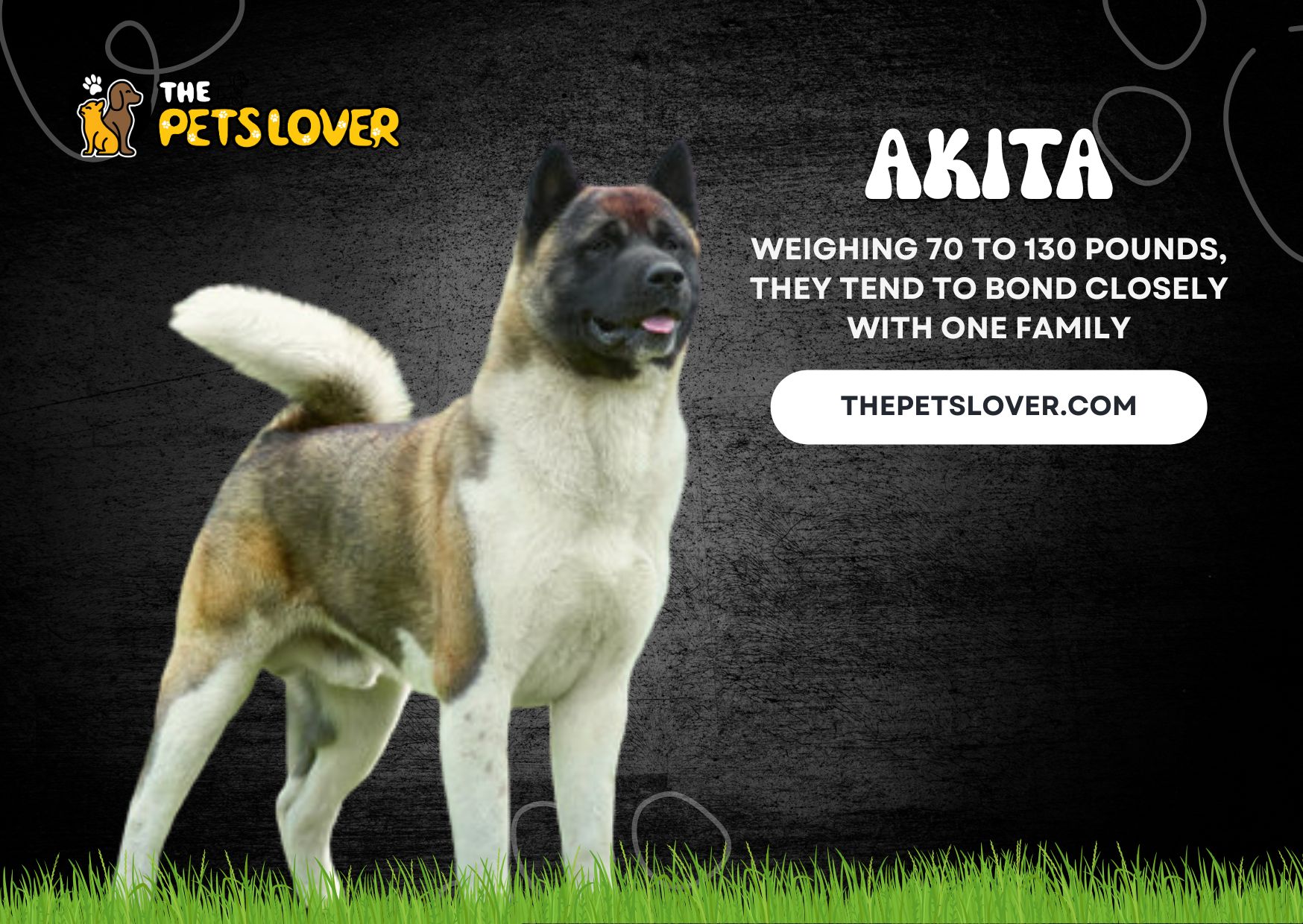
Size: 24–28 inches tall, 70–130 lbs Origin: Japan
Originally bred for hunting and guarding in Japan, Akitas are dignified, courageous, and fiercely loyal to their families. They tend to bond closely with one household and can be reserved or wary around strangers and other dogs, which makes early socialization essential. Their thick double coat sheds heavily, especially during seasonal changes, and needs regular brushing. Akitas are generally healthy but can be prone to hip dysplasia and certain thyroid issues. They’re independent thinkers, so training requires patience and consistency. This breed suits experienced owners who appreciate a loyal, watchful companion and can manage their strong personality.
16. Alaskan Malamute
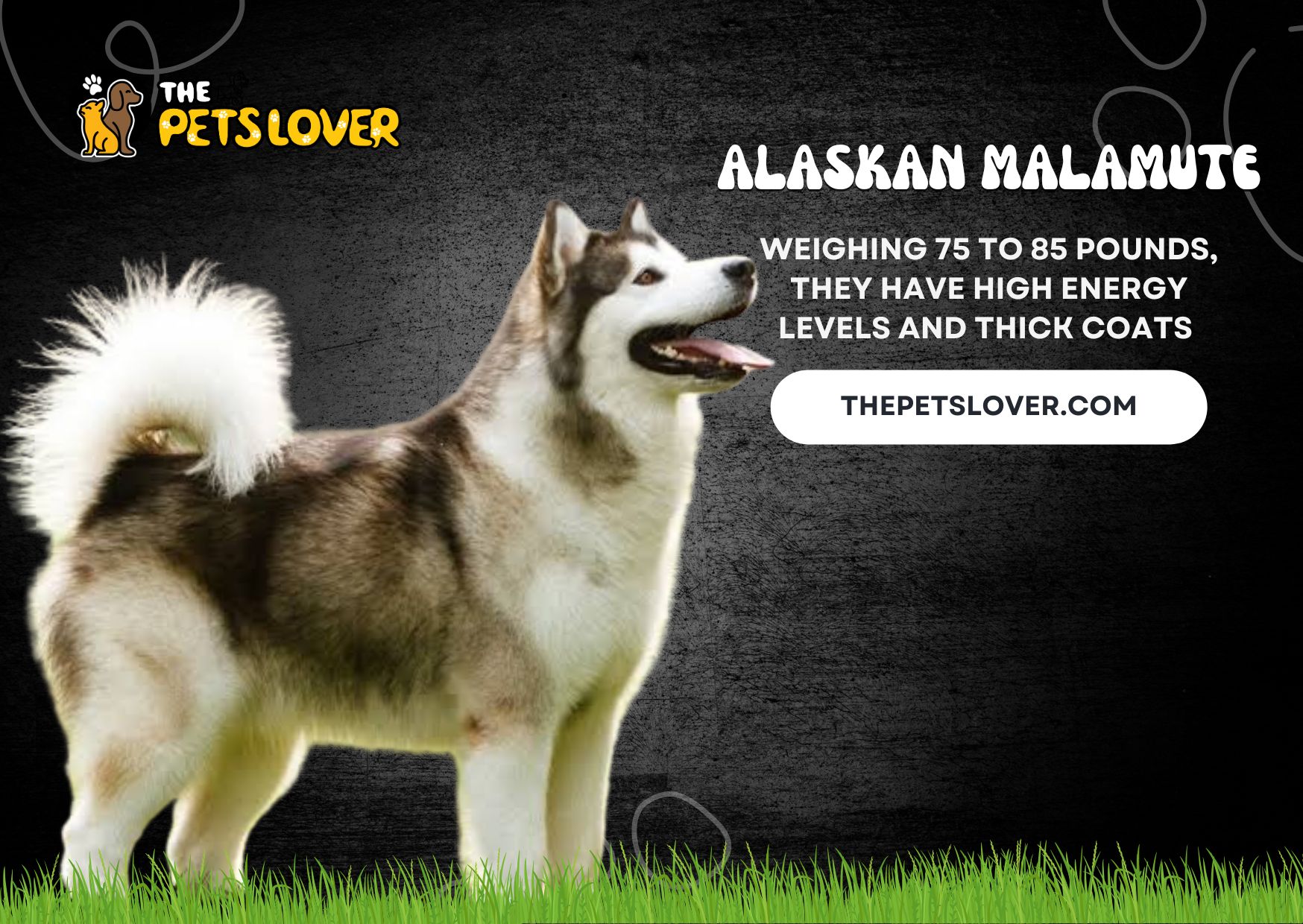
Size: 23–25 inches tall, 75–85 lbs Origin: United States (Alaska)
Bred for pulling heavy sleds across long distances, Alaskan Malamutes are strong, athletic, and deeply affectionate with their families. They have high energy levels and need substantial daily exercise to stay satisfied, as they were built for endurance work. Their thick, weatherproof coat sheds heavily and requires frequent brushing, particularly during shedding season. Malamutes are pack-oriented and generally friendly, though their strong prey drive means they should be introduced carefully to smaller pets. Health concerns include hip dysplasia and certain eye conditions. This breed thrives in cooler climates with active owners who can commit to plenty of exercise and mental engagement.
17. Leonberger
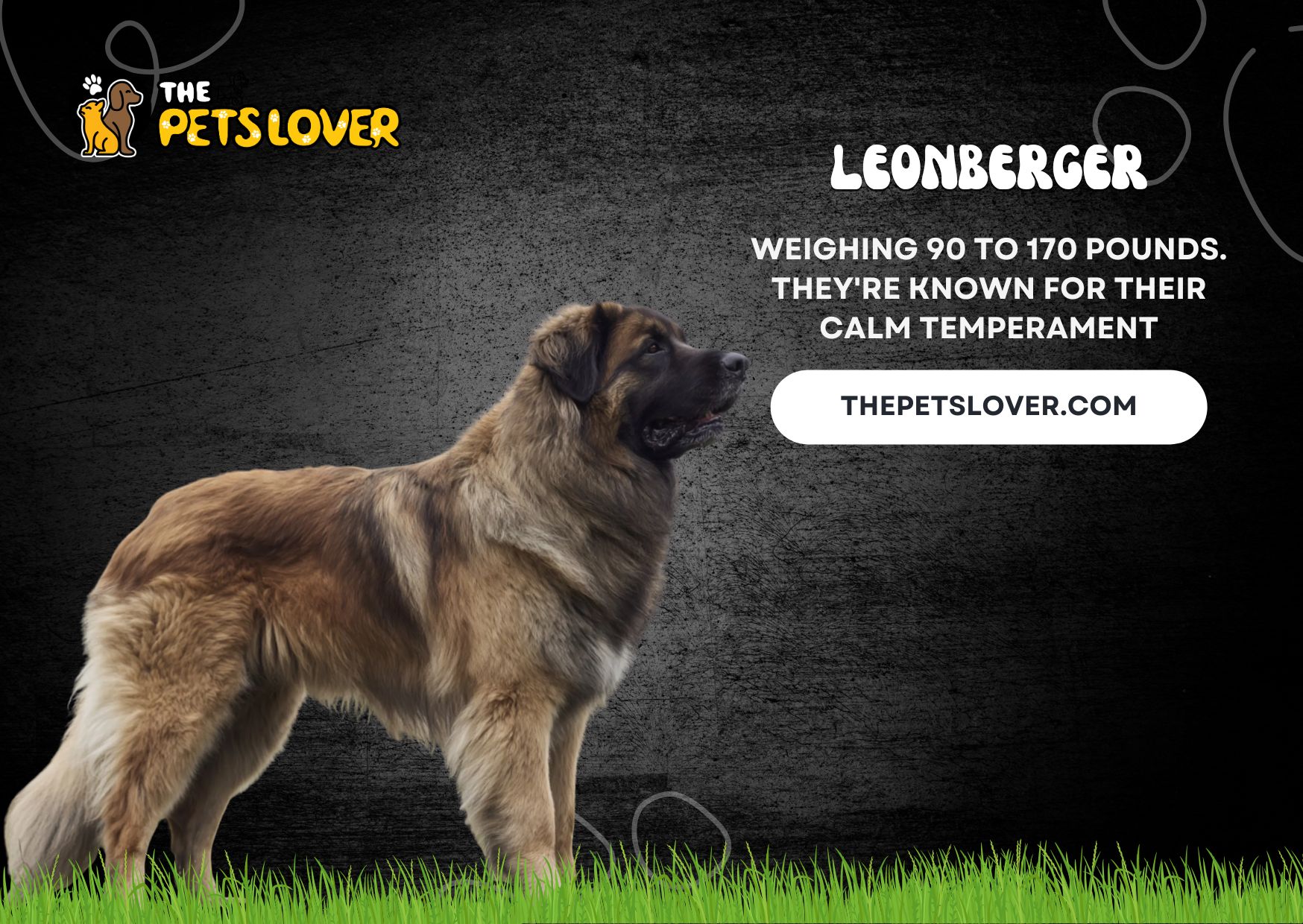
Size: 25–31 inches tall, 90–170 lbs Origin: Germany
Leonbergers are true gentle giants, known for their calm temperament and deep affection for family life, especially children. Their thick, lion-like mane and long coat require regular brushing, particularly during shedding season, to prevent matting. They’re generally easygoing indoors despite their size, though they do need daily exercise to stay fit. Leonbergers can be prone to hip dysplasia, bloat, and certain cancers, so choosing a reputable breeder is important. They’re social dogs that don’t love being left alone for long periods. This breed suits families with space, cooler climates, and a willingness to manage a substantial amount of grooming.
18. Anatolian Shepherd
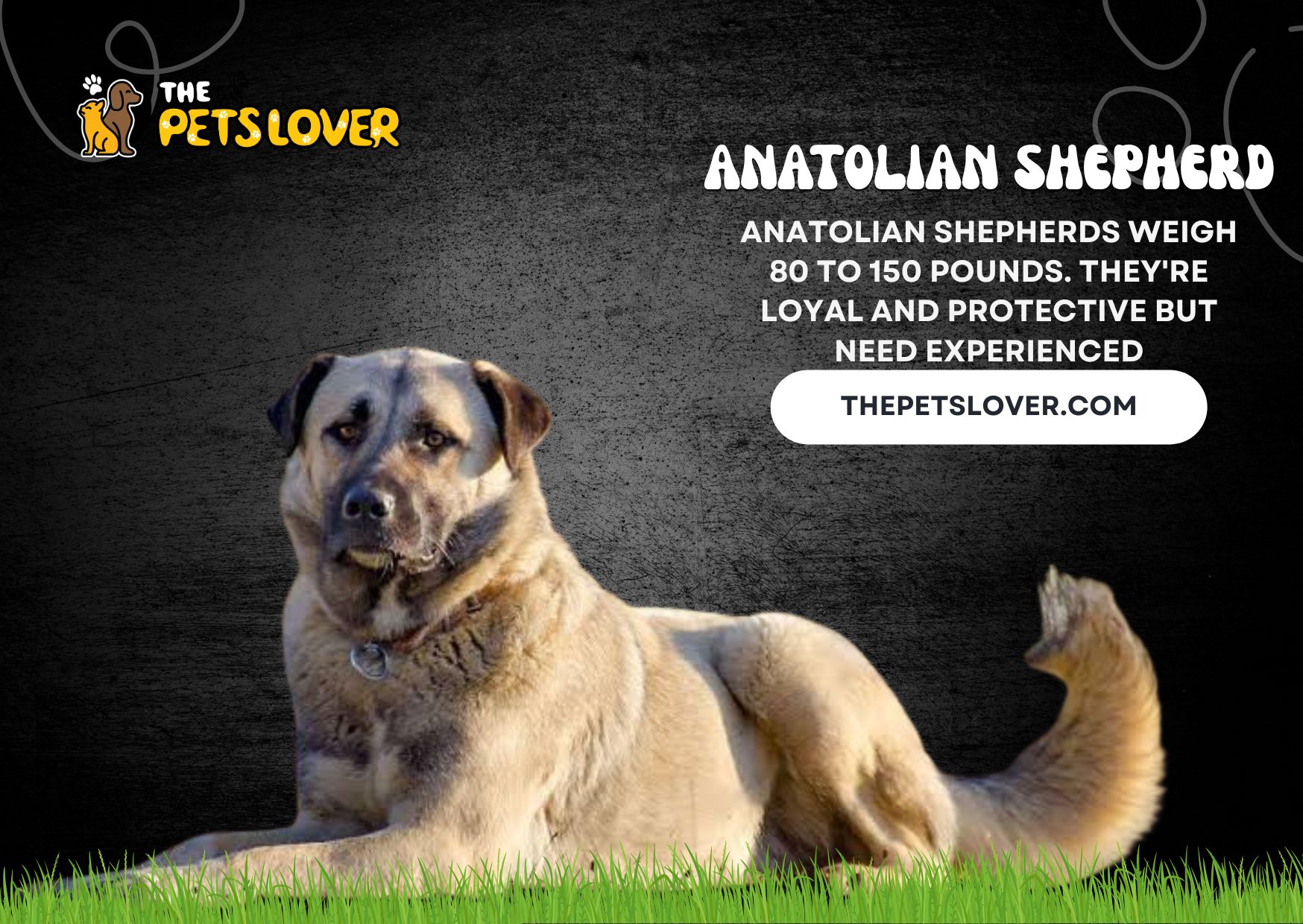
Size: 27–29 inches tall, 80–150 lbs Origin: Turkey
Bred to guard livestock independently and without constant human direction, Anatolian Shepherds are loyal, watchful, and highly protective. They’re intelligent but can be stubborn, and their guarding instincts mean they need experienced owners who understand livestock and guardian breeds. Their short-to-medium coat is fairly low-maintenance, needing only occasional brushing. Anatolian Shepherds are generally healthy but should be screened for hip dysplasia. They do best with plenty of space, ideally a rural or farm setting, and aren’t well suited to small apartments or first-time dog owners. Early socialization is key to managing their natural wariness of strangers.
19. Tibetan Mastiff
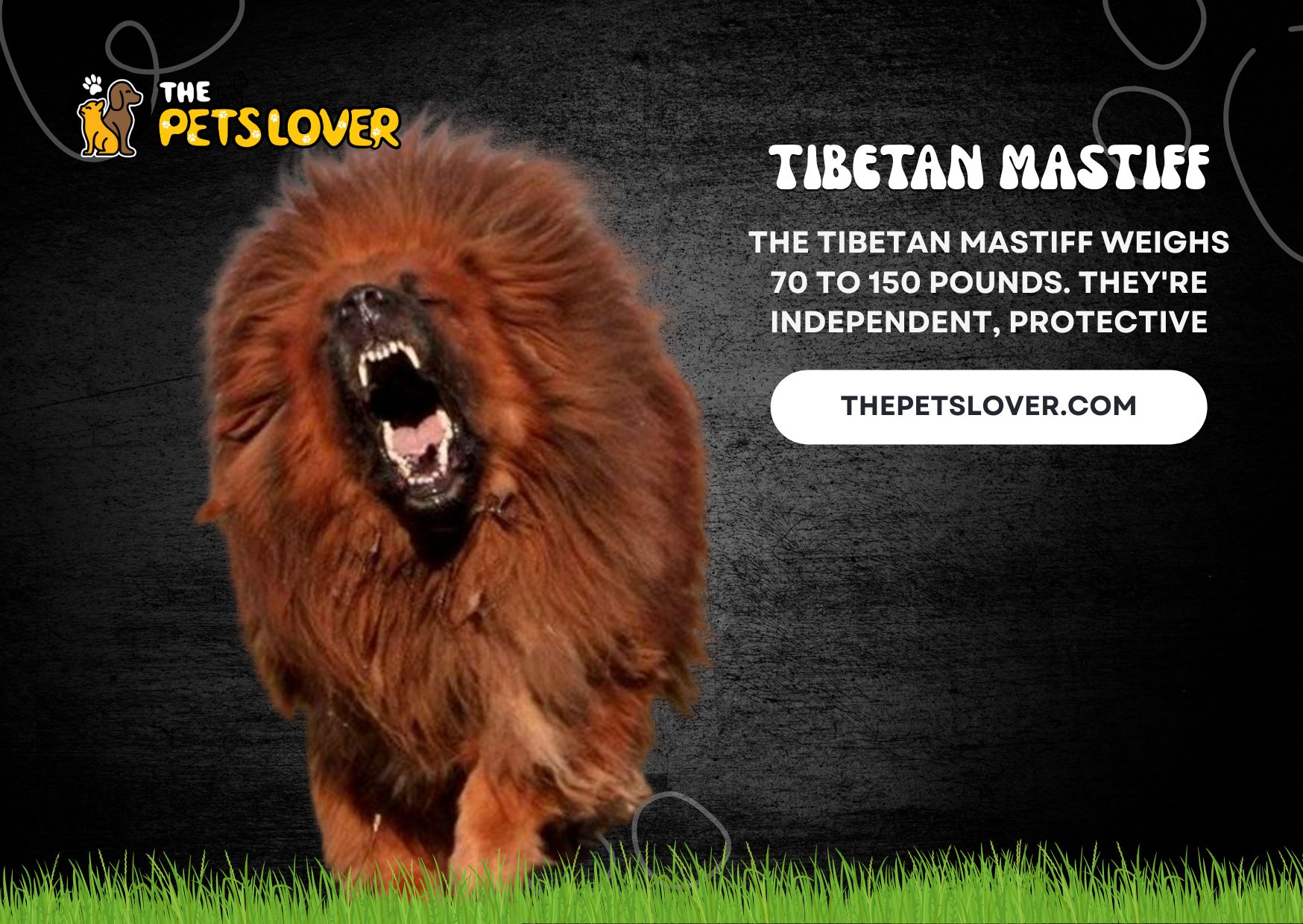
Size: 24–26 inches tall, 70–150 lbs Origin: Tibet
One of the more ancient large breeds, the Tibetan Mastiff was traditionally used to guard monasteries and villages in the Himalayas. They’re independent, protective, and often reserved with strangers, making early socialization essential. Their thick double coat sheds heavily once a year and requires regular brushing to manage. Tibetan Mastiffs are generally healthy but can be prone to hip dysplasia and certain thyroid conditions. They’re best suited for owners with prior large-breed or guardian-breed experience, as their independent nature means training requires patience. This breed does well with space to patrol and doesn’t require excessive exercise once mature.
20. Kuvasz
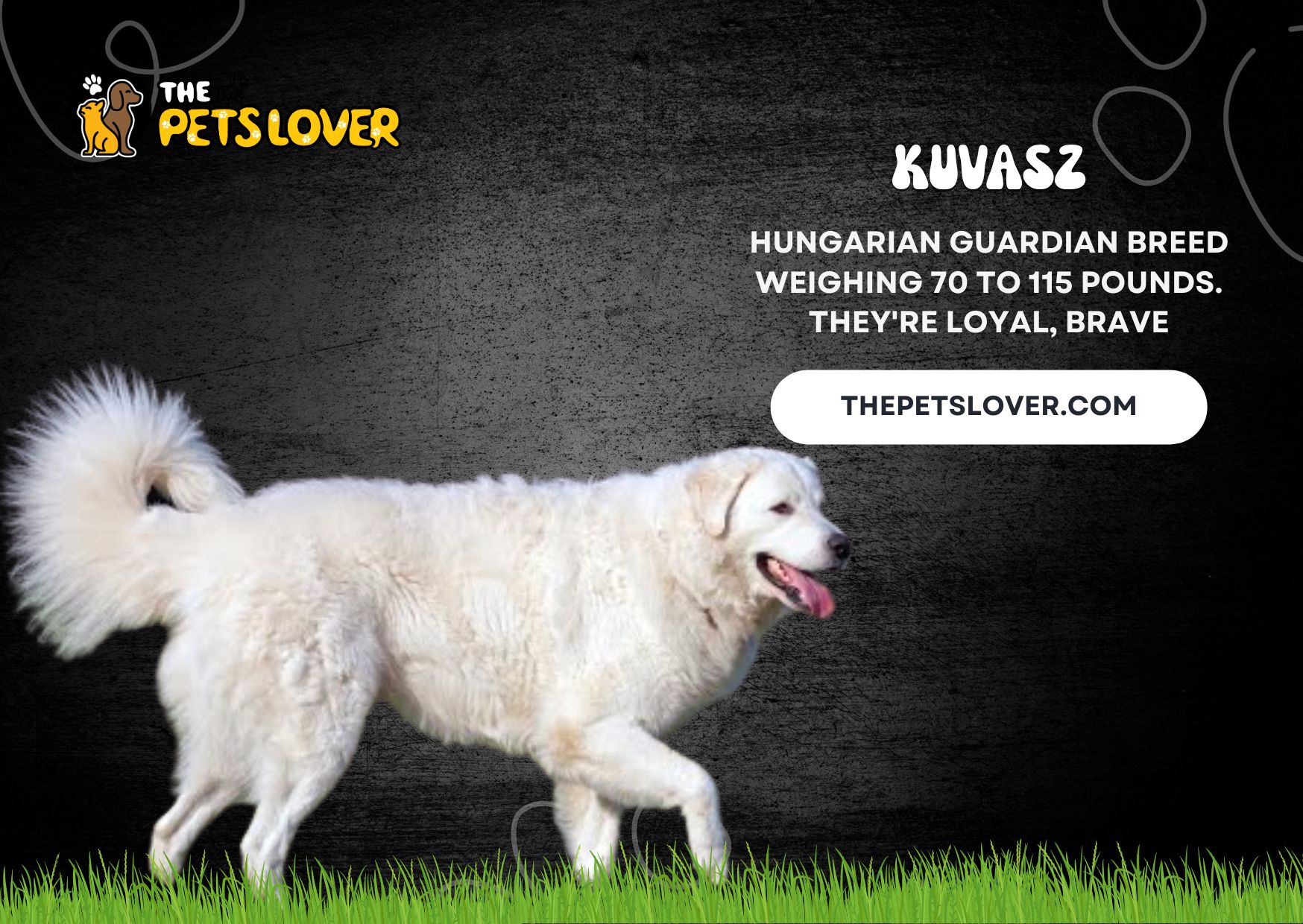
Size: 26–30 inches tall, 70–115 lbs Origin: Hungary
The Kuvasz is a Hungarian guardian breed with a striking white coat and a brave, loyal temperament. They were traditionally used to guard livestock and property, and that protective instinct remains strong today. Kuvasz dogs can be wary of strangers and other animals, so early and ongoing socialization is essential. Their dense double coat needs regular brushing to prevent matting, especially during shedding season. They’re generally healthy, though hip dysplasia is a concern common to the breed. Kuvasz dogs do best with experienced owners, ample space, and a job to do, whether that’s guarding property or simply staying active with their family.
21. Bullmastiff
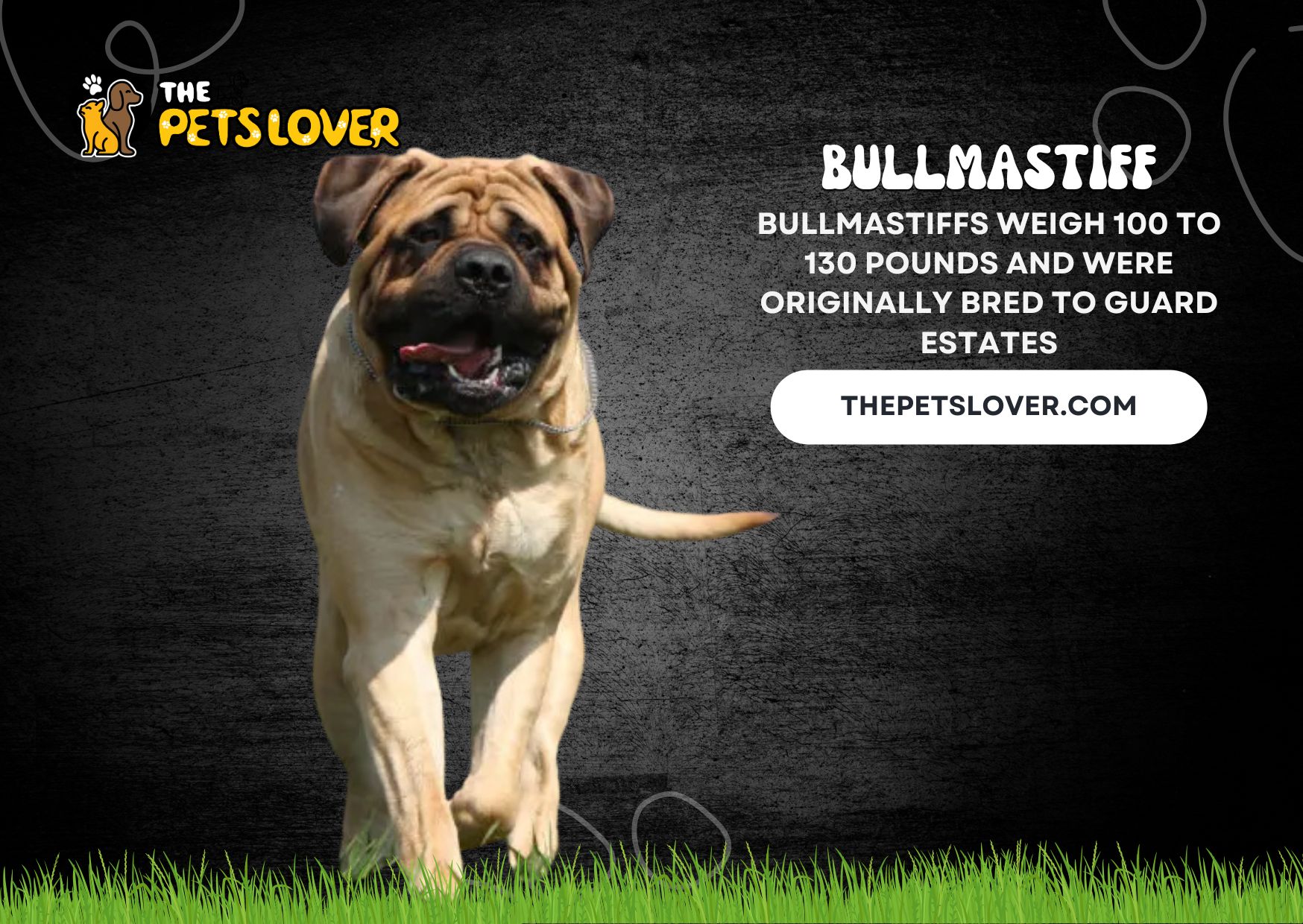
Size: 24–27 inches tall, 100–130 lbs Origin: England
Bullmastiffs were originally bred to guard estates by quietly tracking and pinning intruders rather than attacking, and that calm confidence still defines the breed today. They’re affectionate and gentle with their families, often described as a solid, dependable presence in the home. Their short coat is low-maintenance, needing just occasional brushing. Bullmastiffs don’t require excessive exercise, though daily walks help manage their weight. They can be prone to hip dysplasia, bloat, and certain cancers, so regular vet visits matter. This breed suits families who want a protective but calm companion and don’t mind a bit of drool.
22. Greater Swiss Mountain Dog
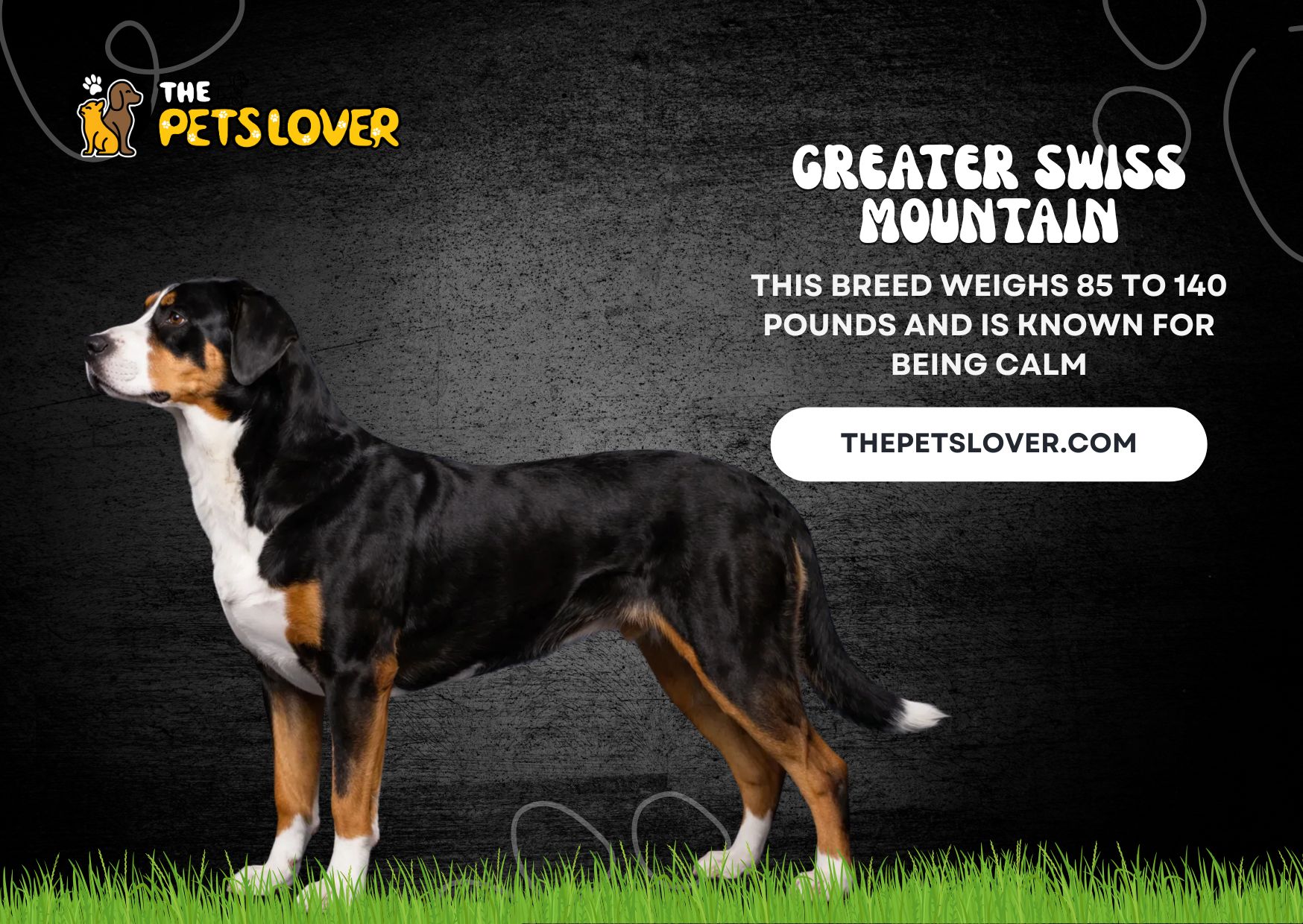
Size: 23–28 inches tall, 85–140 lbs Origin: Switzerland
The Greater Swiss Mountain Dog, often called a “Swissy,” was historically used as a farm dog for herding and pulling carts in the Swiss Alps. They’re calm, confident, and eager to please, making them relatively easy to train compared to some other guardian breeds. Their short, dense coat sheds moderately and needs weekly brushing. Swissies are generally healthy but can be prone to hip dysplasia and bloat, so slow feeding practices are recommended. They enjoy having a job, whether that’s a family activity or a formal task like carting. This breed does best with active families in cooler climates.
23. Boerboel
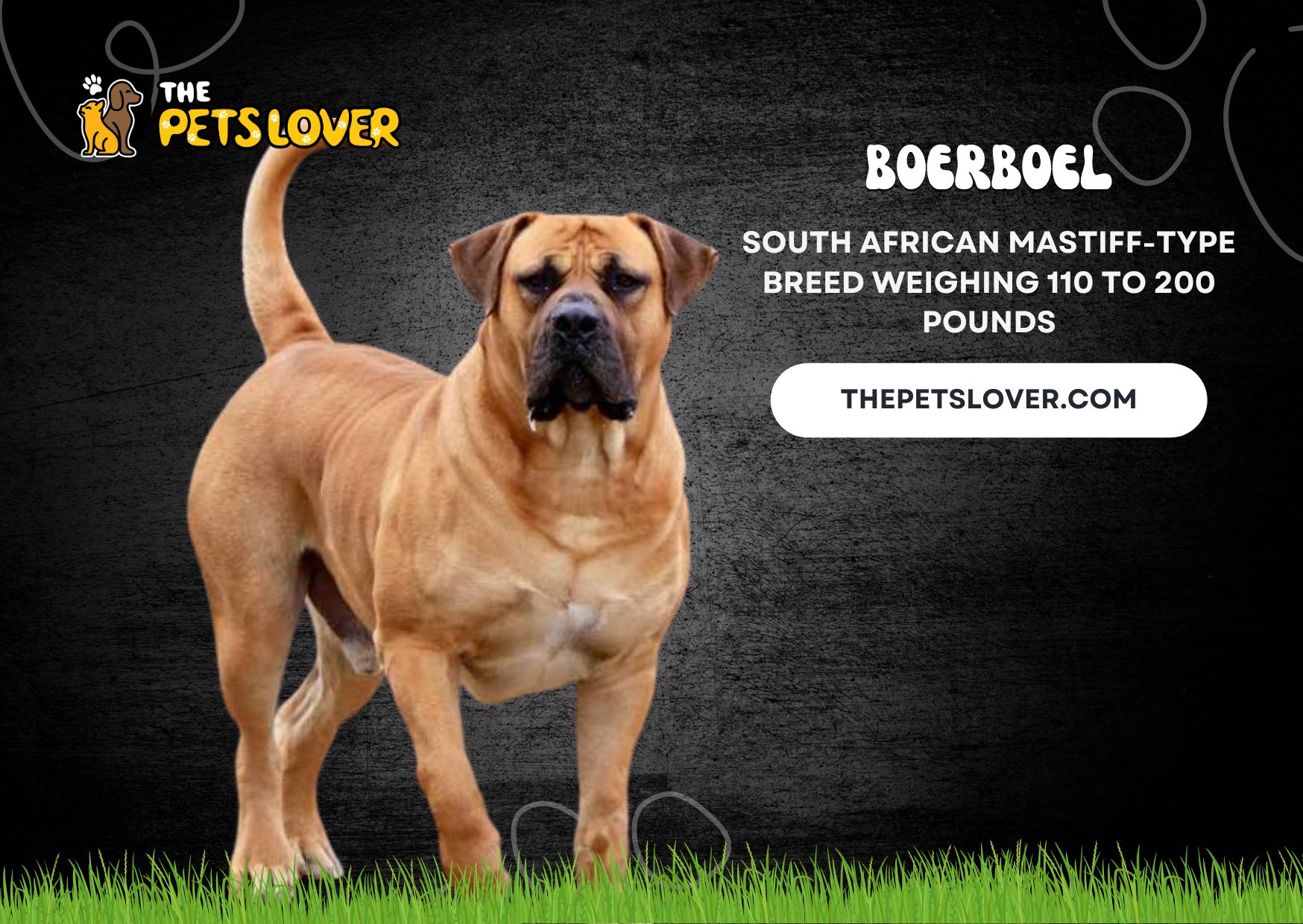
Size: 22–27 inches tall, 110–200 lbs Origin: South Africa
The Boerboel is a powerful mastiff-type breed developed in South Africa to protect homesteads from wildlife and intruders. They’re intelligent, confident, and deeply loyal, but their strength and protective instincts mean they require firm, consistent training from an early age. Their short coat is easy to maintain with minimal grooming. Boerboels are generally robust but can be prone to hip dysplasia, so screening from a reputable breeder is important. They bond closely with their families and can be excellent with children when properly socialized and trained. This breed suits experienced owners who can provide structure, space, and consistent leadership.
24. Dogue de Bordeaux
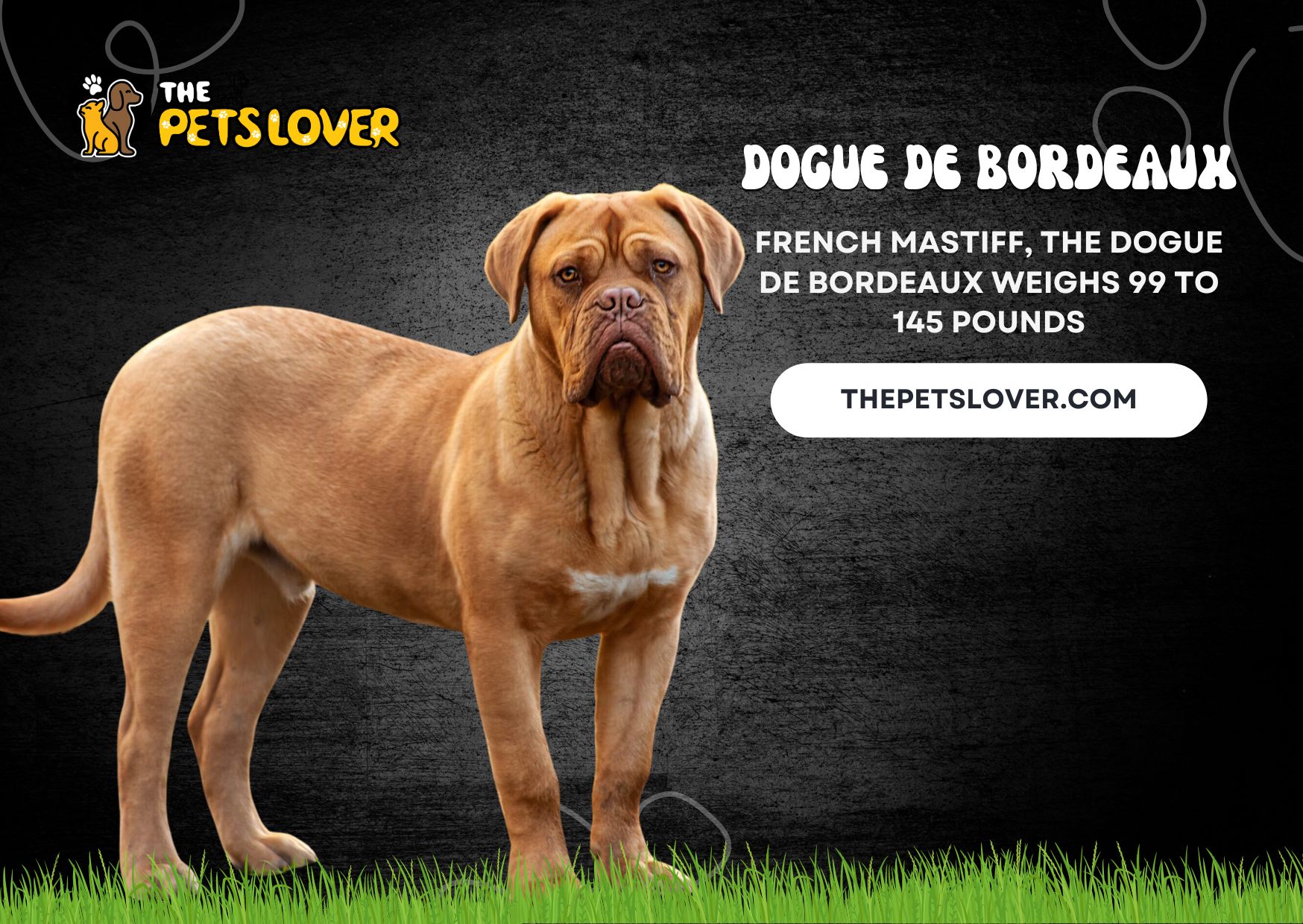
Size: 23–27 inches tall, 99–145 lbs Origin: France
Also known as the French Mastiff, the Dogue de Bordeaux has a distinctive wrinkled face and a muscular, powerful build. They’re affectionate and devoted to their families, often forming an especially strong bond with one particular person. Their short coat requires minimal grooming, though their facial wrinkles need regular cleaning to prevent skin irritation. Dogues can be stubborn, so consistent, patient training matters, and they don’t respond well to harsh methods. Health concerns include heart conditions and a shorter average lifespan of around 5 to 8 years. This breed suits owners who want a loyal, calm companion and can commit to attentive care.
25. Neapolitan Mastiff
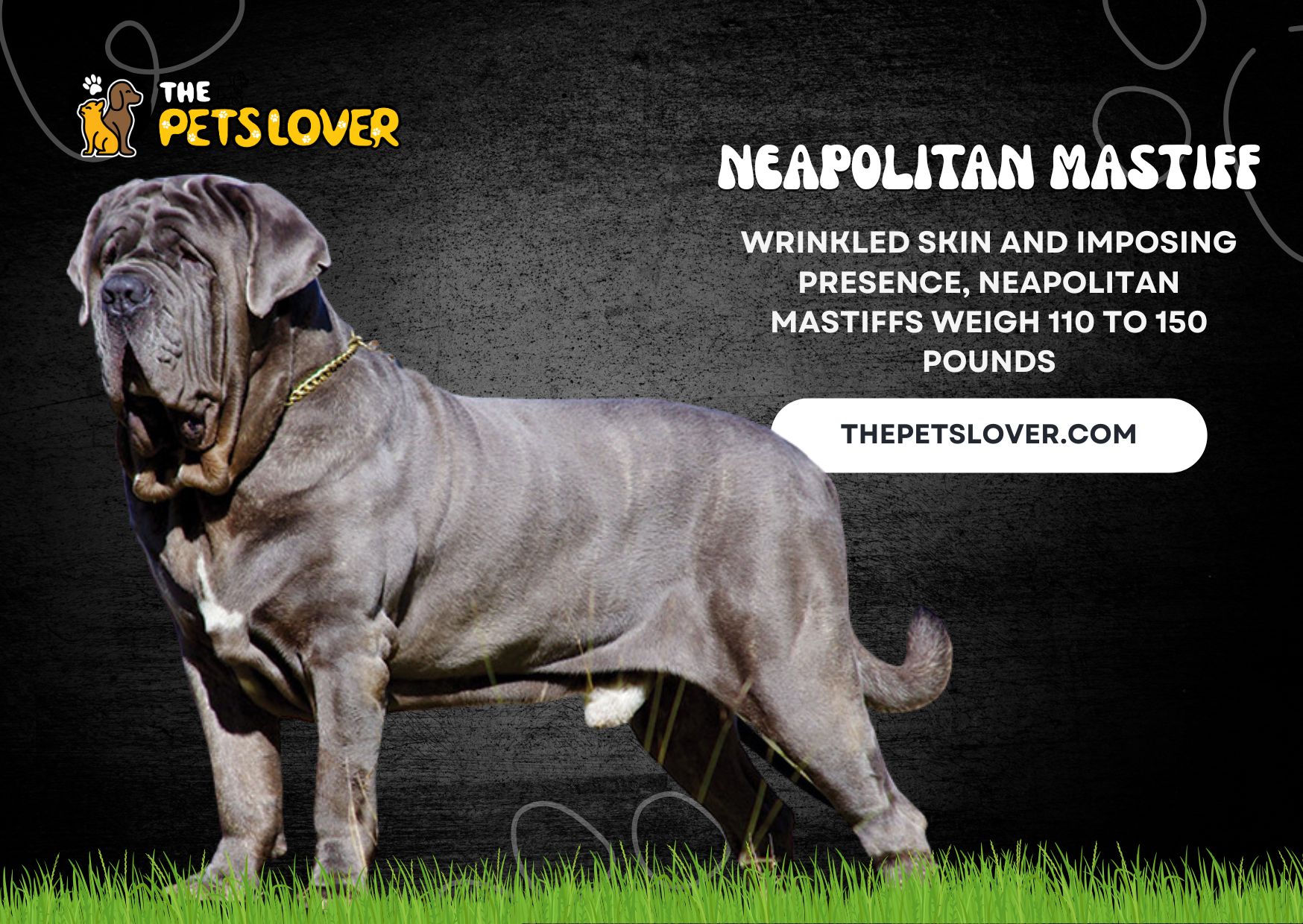
Neapolitan Mastiff
Size: 24–31 inches tall, 110–150 lbs Origin: Italy
Known for their loose, wrinkled skin and imposing presence, Neapolitan Mastiffs were bred as guard dogs in ancient Italy and still carry that protective instinct today. They’re calm and loyal companions, though their sheer size and serious appearance make early socialization important. Their short coat is low-maintenance, but they do drool quite a bit, which new owners should be prepared for. Neapolitan Mastiffs can be prone to hip dysplasia, skin issues related to their wrinkles, and a shorter lifespan of around 7 to 9 years. They suit calm households with space and owners who don’t mind extra cleanup around mealtimes.
Health Considerations for Big Dog Breeds
Owning a large or giant breed comes with specific health responsibilities. Bigger bodies put more strain on joints and organs, so it pays to stay informed.
Common health concerns include:
- Hip and elbow dysplasia – a joint condition common in large breeds that can cause pain and mobility issues.
- Bloat (GDV) – a life-threatening condition where the stomach twists, common in deep-chested breeds like Great Danes.
- Heart conditions – some giant breeds are prone to cardiomyopathy and other cardiac issues.
- Shorter lifespan – giant breeds often live 6 to 10 years, shorter than smaller dogs.
Regular vet visits, a balanced diet, and weight management all help reduce these risks. Many owners also consider pet insurance to offset the cost of unexpected vet bills, since larger dogs often require higher medication doses and larger equipment for surgery.
According to the American Kennel Club, large breeds are generally well-suited to homes with space to move, but many adapt surprisingly well to apartment living as long as they get daily exercise.
Caring for a Big Dog Breed
Big dogs need more than just a big yard. Here’s what to expect:
Feeding needs Large and giant breeds eat significantly more than smaller dogs. Some giant breeds can go through 6 to 10 cups of food a day, so budgeting for food costs is important.
Space requirements While a yard helps, many big breeds are calm indoors and don’t need constant running room. What matters more is a comfortable spot to stretch out.
Exercise routine Daily walks and playtime keep big dogs physically and mentally healthy. Working breeds like German Shepherds and Malamutes often need more vigorous activity than gentle giants like Great Danes.
Training and socialization Early training is critical, especially for guardian breeds like Cane Corsos and Anatolian Shepherds. Positive reinforcement works best and helps prevent behavioral issues later on.
For more detail on joint health in large breeds, you can also read about [supplements and joint care for big dogs] and [best dog foods formulated for large breeds] on our site.
Choosing the Right Big Dog Breed for Your Lifestyle
Different breeds suit different households. Here’s a quick guide:
- Families with kids: Golden Retriever, Newfoundland, Leonberger
- Apartment dwellers: Great Dane, Greyhound-type breeds (surprisingly low energy indoors)
- Active owners: German Shepherd, Alaskan Malamute, Doberman Pinscher
- Guard and protection needs: Cane Corso, Rottweiler, Anatolian Shepherd, Boerboel
- First-time large-breed owners: Labrador Retriever, Golden Retriever, Boxer
Matching a breed’s energy level and temperament to your lifestyle is the key to a happy, long-term relationship.
Frequently Asked Questions
What is the biggest dog breed in the world?
The English Mastiff and Great Dane are often cited as the largest dog breeds, with some Mastiffs weighing over 200 pounds.
Are big dogs good with kids?
Many big dog breeds, such as Newfoundlands, Golden Retrievers, and Leonbergers, are known for being gentle and patient with children.
Do big dogs need a lot of space?
Not always. Many large breeds are calm indoors and adapt well to apartments as long as they get regular exercise.
How long do big dog breeds live?
Giant breeds typically live 6 to 10 years, while large breeds often live 10 to 13 years.
Are big dogs more expensive to own?
Yes, larger dogs usually cost more in food, medication, and veterinary care due to their size.
What health problems are common in big dog breeds?
Hip dysplasia, bloat, and heart conditions are among the most common health issues seen in large and giant breeds.
Final Thoughts
Big dog breeds bring big personalities, big love, and yes, big responsibilities. From the towering Irish Wolfhound to the ever-friendly Labrador Retriever, there’s a large or giant breed suited to almost every kind of home and lifestyle. Take time to research each breed’s needs, talk to your vet, and prepare for the joys and challenges of life with a gentle giant. Once you find the right match, you’ll likely agree that everything about loving a big dog is worth it.